El Castell de Guadalest is a small mountain village above the Costa Blanca. Visitors come for its rock-hewn entrance, historic streets and view over a turquoise reservoir, rather than for a long list of major monuments. It works especially well as a day trip from the coast when you leave enough time for the village and its landscape.
Day trips to Guadalest
Guided excursions can suit travellers without a car. Compare the exact stops and time in the village: some tours also visit other attractions, leaving little time to explore Guadalest itself.
Why visit Guadalest?
The appeal is the relationship between the village and its setting. The upper streets seem squeezed into the rock, and the view opens suddenly toward the reservoir and the mountains behind it. From the coast it is a distinct change of scene: the beach towns give way to valleys, winding roads and a much smaller settlement. You can see the main village in a short visit, but a rushed bus stop will miss its quieter corners.
Guadalest is popular and can be busy when excursion coaches arrive. That does not make it any less interesting, but it does affect how you plan the day. If you drive, aim for a morning arrival and take a second look at the streets after the first groups move on. A longer stay allows a meal and a walk outside the busiest strip of souvenir shops.
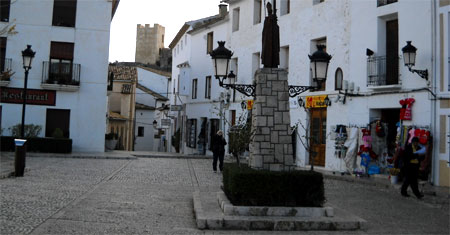
Entering the old village
The approach through a passage in the rock is part of the experience. It creates a clear transition between the lower area and the compact old settlement above. Once through, it is tempting to head straight for the most obvious viewpoint. Give yourself time instead to notice the way buildings, steps and narrow passages fit around the ridge.
Stone paving and gradients can be awkward for anyone with reduced mobility, a pushchair or unsuitable shoes. Check the route before promising a completely step-free outing. The upper area is compact, but short distances do not necessarily mean easy walking. In warm weather, bring water: the coast may be breezy while the exposed village feels still and hot.
Shopfronts and small museums cater to visitors, yet the place is not just a constructed tourist attraction. Its position on a defensive height and its older architecture explain why the settlement developed here. The surrounding scenery is a major part of the visit.
San José Castle and the views
The ruins of Castillo de San José stand on the high rock above the village. The fortress dates from the Islamic period, and later damage left the remains that you see today. Access arrangements for the castle area may be tied to a museum or house visit, so check the current visitor route and price rather than relying on older travel articles.
Even without entering every paid space, you can enjoy views from the village. The ridge gives an unusual perspective across the valley and reservoir. Photographers often find that a little patience is worthwhile as light and cloud change the colour of the water. Do not climb barriers or enter closed areas just to reach a slightly higher camera position.
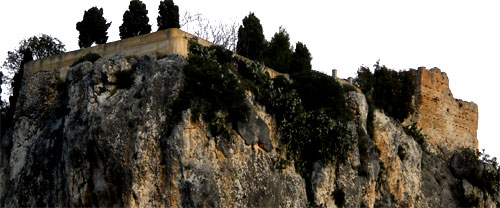
The castle makes more sense when you consider the geography. A ridge overlooking approaches through the mountains was a useful defensive site. Today the same position gives visitors the sweeping view that distinguishes Guadalest from an ordinary inland town.
The reservoir below Guadalest
The bright water visible from the village is a reservoir, not a natural alpine lake. Its colour can vary with the light, weather and water level. From above, it anchors the whole panorama and makes the mountain slopes stand out. If you are travelling by car and have time, a lower viewpoint or permitted path near the reservoir gives another impression of the valley.
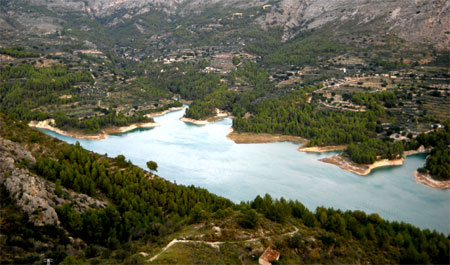
Do not assume that a photograph taken in a wet year represents conditions on the day of your visit. Reservoir water levels fluctuate. Likewise, access to the shore and activities on the water can be regulated. Follow local signage and ask the tourist office about walking options if this is the main focus of your excursion.
A walk in the valley can be a welcome contrast to the crowded village lanes. Take sun protection, especially where there is little shade. The distance between two places that look close on a map may be greater once the road winds around the slopes.
Small museums and the Orduña House
Guadalest has several small collections and museums, including displays devoted to miniatures and local history. Their exact names, admission prices and hours can change, so do not build a tightly timed itinerary around a list copied from an older guide. Choose one or two topics that genuinely interest you. A small museum can be a pleasant pause between walking and viewpoints, but you do not need to visit every collection.
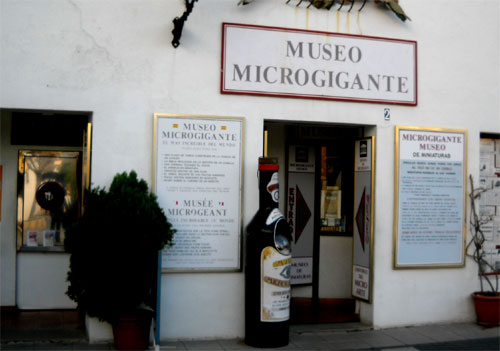
The Orduña House provides another way into the village’s history and may form part of the route to the castle. Confirm what is included with the current ticket. Exhibitions and visitor circulation occasionally change, and the best source for a same-day decision is the local ticket desk or tourist office.
Families may enjoy a miniature collection, while visitors interested in the architecture might prefer the historic house. If you have limited time, the old streets and outlook over the valley come first. Paid attractions are an option rather than a requirement for enjoying Guadalest.
Stay on the Costa Blanca or inland
Most people visit Guadalest from the coast, but an inland base can make it easier to explore the surrounding valleys at a slower pace.
Getting to Guadalest
By car
Driving from Benidorm, Altea or the wider Costa Blanca gives the most flexibility. The last part climbs into the mountains on winding roads. Allow more time than a straight-line distance suggests, drive carefully and use signed parking rather than leaving a vehicle on a narrow roadside.
Parking can fill at busy times. If you plan a summer visit, a morning arrival helps with both parking and heat. Make a note of where you parked: the lower approach and upper village can look similar when you return after several hours.
Without a car
Guided day trips are the simplest option for many visitors staying on the coast. Check pickup location, number of stops and how long the itinerary actually gives you in Guadalest. Public transport may require a connection or offer limited frequency, so consult current timetables and confirm the return journey before departure.
A tour that combines Guadalest with the Algar waterfalls can make sense if you want two different landscapes in one day. It also means less independent time in the village. Decide which part matters most to you before choosing a booking.
When to go and how long to stay
Spring and autumn generally suit walking in the village and nearby hills. Summer remains popular, but midday heat and coach arrivals make an early start worthwhile. Winter can be quieter, though some smaller businesses may keep reduced hours. Daylight, weather and road conditions all affect a mountain outing.
Allow at least a couple of hours for a relaxed village visit. Add time for a museum, meal or valley walk. If you want to photograph both the reservoir and the old buildings, an unhurried half day works better. A full day allows another stop in the area without rushing.
Comfortable shoes are more important than a formal sightseeing plan. Bring drinking water and check weather in the hills as well as at your coastal hotel. On a cloudy day, the landscape can still be attractive, but high viewpoints may lose some long-distance visibility.
Food and the village atmosphere
Cafés and restaurants cluster around the visitor routes. Menus, opening days and prices vary, and the busiest tables often have the most obvious views. Consider eating a little earlier or later than the main excursion groups. An inland lunch can provide a useful pause before you drive back to the coast.
Guadalest is small enough that residents and businesses share a constrained space with visitors. Keep noise down on quieter lanes and respect private doorways. The best visit is often a simple combination of a slow walk, one viewpoint and a meal rather than a checklist of every shop.
Combining Guadalest with other places
Altea offers white streets and a coastal old town, while Villajoyosa is known for colourful houses and the beach. Alicante makes a larger city base. Combining Guadalest with one coastal town can be pleasant; combining it with several stops usually means more time on the road than at the sights.
For travellers interested in inland scenery, the surrounding mountain villages deserve more than a quick drive-through. Ask locally about short, currently open routes suitable for your group. Road and trail conditions can change after rain or maintenance work.
A sensible half-day route
Start by walking from the parking or drop-off area to the rock passage. Before going up, look back toward the lower village so you understand the difference between the newer approach and the historic core. Pass through the gateway, then take the lane slowly instead of following the first group straight to the furthest viewpoint. Stop at the first open outlook to see how the reservoir lies between the ridges.
Next, decide whether you want one of the small museums or the historic house and castle route. Check the admission details at the entrance. If an exhibition does not appeal to you, spend that time exploring the lanes and looking at the buildings from different angles. Take care not to block the narrow passage when you stop for pictures, particularly when several coach groups arrive together.
For lunch, choose whether you value a terrace view or a quieter table. Afterwards, return to the viewpoint if the light has changed: the reservoir often looks quite different later in the day. If you have a car and still have energy, make one separate stop at an authorised lower viewing area before returning to the coast. This avoids driving down and back up a winding road simply to repeat a photograph.
This route is deliberately flexible. A family with children may prefer a short museum and a meal; a keen walker may spend the extra hours on a signed valley path. Ask locally about paths before you set off, carry enough water and keep the return journey in mind. At Guadalest, fitting the outing to your pace is more useful than trying to tick off every named attraction.
If rain is forecast, reconsider a long walk near the reservoir. A short village visit is easier to adapt, and wet stone surfaces can be slippery.
Frequently asked questions
Is Guadalest worth a day trip?
Yes if you enjoy mountain views, compact historic streets and a different setting from the beach resorts. It is less suitable if you expect a large town with extensive museums and nightlife.
Is the reservoir a swimming beach?
No. It is a reservoir with its own rules and access conditions. Check local signage rather than assuming you can swim because the water looks inviting.
Do I need tickets to enter the village?
You can walk through the village without buying a general ticket. Individual museums, houses or castle access may have separate charges.
Can I visit with limited mobility?
The village is compact, but steep and uneven sections can be difficult. Check the particular route and accessible options before travelling.
Where can I verify current details?
The regional tourist information for Guadalest is a useful starting point for sights and local contacts.