Spain rewards an art-focused trip with remarkable variety. Madrid has major collections of European painting, Barcelona connects modern art with Catalan history, Bilbao puts contemporary architecture on the itinerary, and Figueres turns a museum visit into an encounter with Salvador Dalí’s theatrical imagination. You do not need to see every museum in one holiday. Choose a few that fit your route and give each enough time to enjoy the work.
- Madrid: Prado, Reina Sofía and Thyssen-Bornemisza are a strong combination.
- Figueres: the Dalí Theatre-Museum is an artwork in its own right.
- Bilbao: the Guggenheim combines exhibitions with an exceptional building.
- Málaga: Picasso’s birthplace is a good place to explore his work.
- Check official museum websites for current exhibitions, tickets, hours and free admission windows.
Compare guided visits and entry options when planning a museum day in Spain.
Madrid: a natural starting point
Madrid’s main art museums are close enough to combine over a few days, but trying to see all their highlights in one rushed afternoon is rarely satisfying. The Paseo del Prado area is particularly convenient for a cultural itinerary. Think in terms of what you want to see: Old Masters at the Prado, twentieth-century Spanish art at the Reina Sofía, and a broad bridge between periods at the Thyssen-Bornemisza.
Museo del Prado
The Prado is one of Europe’s major painting museums. Its Spanish collections include Velázquez and Goya, while works by artists from other European traditions broaden the visit. Give yourself time to choose a route through the galleries. The building has enough depth that a short visit should focus on a limited selection rather than a race from one famous painting to another. If a special exhibition matters to you, reserve the right ticket and check its dates on the official site.
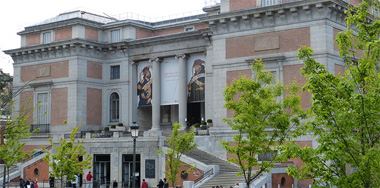
Our Prado guide covers the museum in more detail. Consider a walk nearby after your visit instead of immediately booking another long interior tour. Madrid’s streets, gardens and cafes help place the collection in its city setting.
Museo Reina Sofía
The Reina Sofía is particularly important for twentieth-century and contemporary art. Picasso’s Guernica is a powerful reason to visit, yet the museum offers more than a single famous canvas. Art from the Spanish Civil War period, modern movements and later experimentation can make a visit emotionally demanding as well as rewarding. Rules for photography may vary by gallery and exhibition, so follow signs on site.
Thyssen-Bornemisza
This museum complements its Madrid neighbours with a wide-ranging collection across centuries and styles. It can suit visitors who want to trace changes in European art without concentrating on one national school. If you are deciding between several Madrid museums, browse their current exhibition pages before buying a pass. A temporary show can change your priorities.
Barcelona: art across the city
Barcelona’s identity is closely tied to architecture and visual art. The Picasso Museum in the old city is often high on a first-time visitor’s list, particularly for understanding the artist’s early years and his relationship with Barcelona. Advance reservations are sensible for a specific day, especially in busy periods. The Museu Nacional d’Art de Catalunya brings another perspective, with collections that range across Catalan art history. Its setting on Montjuïc is part of the appeal.
The Fundació Joan Miró on Montjuïc offers a different experience, with a building and collection that reward a slower visit. To appreciate Barcelona’s art beyond the galleries, connect a museum day with Gaudí’s architecture. Our Park Güell guide and Barcelona overview can help build a route that mixes interiors and outdoor sights.
Figueres: Dalí Theatre-Museum
Figueres in Catalonia is associated above all with Salvador Dalí. The Dalí Theatre-Museum is deliberately theatrical: the building, displays and visitor experience reflect the artist’s eccentric visual world. It is not a conventional quiet room of paintings in neat chronological order. Take your time with the installations and architectural details, and check the official foundation’s current entry arrangements before travelling.
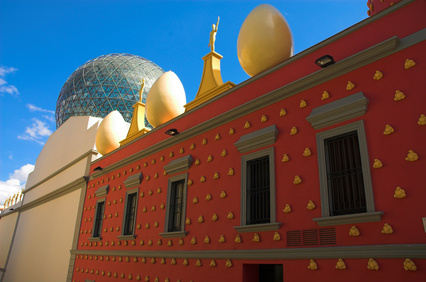
Figueres can be reached on a day trip from parts of Catalonia, but train times and the distance from the station to the museum deserve attention. A reservation with enough margin for travel is more useful than the earliest possible slot. See our Figueres guide for other ideas in town.
Bilbao: Guggenheim Museum
The Guggenheim Museum Bilbao made its building a destination in its own right. The curved forms and riverside setting invite a walk around the exterior before or after the galleries. Inside, the program centres on modern and contemporary art, with temporary exhibitions changing what a particular visit will contain. Do not plan solely around a photograph of a work you saw online; verify that it is currently on display.
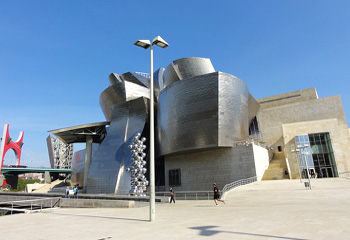
Bilbao also has other cultural stops and a strong food scene. The museum is a good anchor for a wider city break rather than an isolated photo stop on a long driving day.
Compare accommodation by transport access as well as distance. A centrally located hotel can save time on a multi-museum trip.
Málaga: Picasso and more
Málaga is associated with Picasso’s birth, and the Museo Picasso Málaga is a key stop for visitors interested in his work. The city also has a wider museum scene and an old centre that is pleasant to explore on foot. Combine art with a coastal stay if you want a varied break. Our Málaga guide offers other sights and practical context.
A museum named for an artist does not necessarily have every iconic work by that artist. Collections move, works go on loan and temporary exhibitions bring a different emphasis. Check the current program if a particular piece is the reason for your trip.
Other Spanish art destinations
Valencia, Seville, Valladolid, Zaragoza and many smaller cities have worthwhile collections. Contemporary art museums can provide a view of today’s cultural life that the classic highlights overlook. Regional institutions often tell a more specific story about local painting, sculpture, crafts or photography. If you are travelling by car, a city outside the best-known art triangle can be a rewarding stop without the same crowds.
Religious buildings and palaces may also contain important art, but their opening rules can differ from those of museums. Check whether a church is open for visitors at the time you intend to go, and respect any restrictions during worship. Our guides to historic churches and monasteries and top sights expand the choices.
How to plan museum days
Start with official schedules and choose one priority museum each day. Add a second nearby stop only if you have energy and the opening hours fit. Some museums close one day per week or shorten hours on holidays; some offer free entry during limited periods with separate ticket procedures. A free period can be busy, so it is not necessarily the best option if you have limited time.
Look at accessibility, cloakrooms and rules for bags before you arrive. Some institutions permit photographs without flash in permanent galleries but restrict them in loan exhibitions. Never assume the rules are identical from one museum to another. If you travel with children, alternate indoor time with a nearby park or an easy walk. A focused hour with a few artworks can be a better introduction than a long march through every room.
Tickets, passes and guided tours
Buy directly from the museum when you know exactly what you want. A reputable guided visit can add context, especially for a large collection or a complicated historical period. Compare what a tour includes: admission, meeting point, language, group size and cancellation terms. A city pass is worthwhile only if you will use the included museums during the validity period; do the arithmetic before paying for one.
Ticket prices and opening times change, so avoid planning around an undated list. For broad guidance see opening hours in Spain and public holidays, then verify the individual museum’s official page.
Questions visitors ask
Which museum should I choose on a first Madrid visit?
The Prado is a natural choice for European painting. If twentieth-century Spanish art is your main interest, start with the Reina Sofía. The Thyssen provides a broad overview across styles.
Can I see the Dalí museum from Barcelona in a day?
Yes, many visitors do, but check train schedules and reserve a sensible entry time. Figueres deserves some walking time beyond the museum.
Is the Guggenheim only about the building?
No. The exterior is striking, but exhibitions give the visit its substance. Check the current program before deciding how long to spend inside.
Are Spanish museums free?
Some have limited free admission windows or special categories of free entry. Conditions vary and may require a ticket. Check official websites for the date of your visit.