Dénia combines an old town and ferry port with sandy beaches to the north, rocky coves to the south and the Montgó mountain behind. It makes an excellent Costa Blanca base if you choose the right part of town for your trip.
At a glance
Stay near the centre for restaurants and ferries, Les Marines for sand, or Les Rotes for coves. Check current castle access and seasonal beach transport before setting out.
Accommodation in Dénia
Compare accommodation in Dénia on Booking.com. Map the actual distance to your chosen beach and ferry terminal.
First impressions
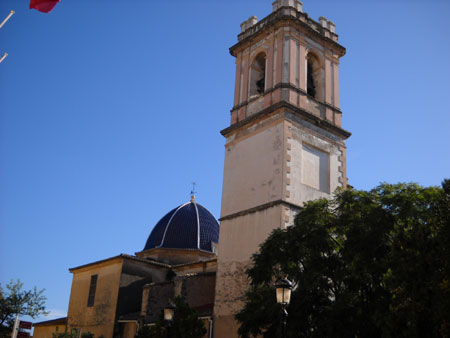
Dénia sits on the northern Costa Blanca with a working port, an old centre and a coastline that changes character as you move away from town. To the north, Les Marines has long sandy beaches; to the south, Les Rotes is a rockier shore of coves and clear water. The Montgó mountain rises behind the town, giving it a striking setting and a natural escape from the seafront. Dénia can be a holiday base in its own right or a mainland stop before a ferry to the Balearic Islands. Do not reduce it to a departure terminal. A walk between the market, castle hill, old lanes and harbour reveals how daily life, tourism and maritime connections overlap. For an enjoyable visit, choose your accommodation according to the kind of beach and transport you actually want, not simply the shortest map distance from the town name.
The old town
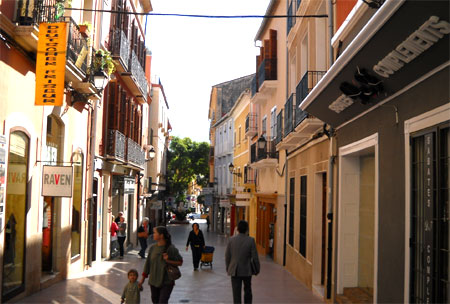
The streets near the castle form a good starting point for exploring Dénia. Take time to notice the smaller squares, shops and restaurants rather than following only a straight route to the port. The district around Carrer Loreto is one place to look for a meal; menus and openings change, so walk a little before choosing. The old centre is pleasant in the morning when market life is active and again in the evening when people return to outdoor tables. In summer, midday can be hot, particularly on the climb towards the castle. A short walk with stops is more rewarding than trying to see everything at once. The town’s past includes Islamic and later Christian periods, traces of which are easier to understand after visiting the local museum or reading the castle interpretation. Keep an eye on traffic where narrow streets meet wider roads, especially with children.
Castle hill and museum
Dénia’s castle dominates the centre and gives broad views over the town, coast and Montgó. Its surviving structures reflect several historical periods, beginning with Islamic fortification and later changes. The site is worth understanding as a layered complex rather than a single perfectly preserved medieval building. Paths are uphill and parts can be uneven; comfortable shoes and water help. The official tourism site offers an interpretation of the history and a description of access. At the time of writing, the Spanish-language official page flags the castle as temporarily closed, while an English page still shows opening information. Verify the current status directly with the municipality before planning a visit or buying a ticket. Even if access is restricted, the old town and surrounding viewpoints remain useful parts of a Dénia day. Do not quote a fixed admission price from an old travel blog.
Les Marines: the sandy north
North of the port, Les Marines extends along a substantial run of sandy beaches. Different sections vary in access, facilities and distance from the centre. A room directly near the sand can be convenient for families, but it may require a bus or car for an evening in the old town. Choose a specific beach and check its access rather than imagining one continuous serviced promenade. In high season, parking can fill and sun exposure is strong. Follow current bathing flags and do not let the apparent gentleness of a sandy shore replace basic water safety. The municipality lists beach-bus routes; check the current timetable and final return service. Outside summer, this coastline can be good for a long walk even if swimming is not appealing. Avoid disturbing vegetation or leaving litter behind. A beach day works best with water, shade and a realistic plan for reaching your accommodation afterwards.
Les Rotes: coves and rock
South of the urban centre, Les Rotes offers a different coast, with rock, coves and views towards the marine reserve near Cabo de San Antonio. It suits visitors who enjoy a scenic walk or clear-water swim, but water entry can be more difficult than on a sandy beach. Wear suitable footwear, check sea conditions and respect protected marine habitats. Do not remove plants or animals. Vehicle access to the far end may be restricted in the high season, with municipal arrangements for parking and a shuttle. Because these details change, consult the city’s current beach transport page before driving there. The bus can be a sensible alternative. Some coves have little shade or few facilities, so carry water and check what is available for your chosen section. A slower visit with one swim and a coastal walk is more satisfying than rushing through all the coves by car.
Montgó and walking
The Montgó massif is Dénia’s natural landmark. Its slopes offer walking routes and views, but the terrain is more demanding than an urban promenade. Choose an official path appropriate to your fitness and the weather. The sun, limited shade and stony ground make a summer midday ascent a poor casual plan. Carry water, proper shoes, a charged phone and a map that can work offline. Leave a route and return time with someone for a longer walk. In a cooler season, a moderate trail can make an excellent counterpoint to a day at the beach. Protected nature deserves care: stay on paths, do not pick plants and check current fire or access restrictions. You do not need to climb to a summit to enjoy the landscape. A lower viewpoint can still reveal the relationship between mountain, town, port and sea.
Port and Balearic ferries
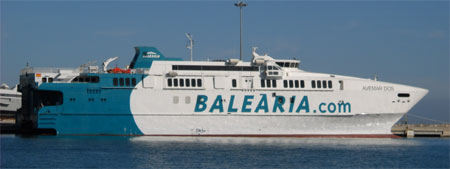
Dénia’s port connects the Costa Blanca with the Balearic Islands. Baleària lists routes to Ibiza, Mallorca and Formentera, but the schedule and vessel available on your date must be checked with the operator. For a ferry trip, confirm the terminal, check-in deadline and whether your ticket includes a vehicle. A car space costs extra and a rental contract may prohibit island travel. If you arrive from a flight or train, allow a generous transfer buffer rather than relying on a tight connection to a fixed sailing. The arrival port on an island also matters for your onward journey. Even if you are not travelling by ferry, the harbour area is worth a walk and a meal. The port remains a working transport environment, so keep to pedestrian areas and follow boarding signs. Our Spain ferry guide covers wider route and booking considerations.
Book a ferry from Dénia
Compare sailings from Dénia to Ibiza, Mallorca and Formentera, then check the departure terminal, vehicle options and final fare before booking. Search ferries from Dénia on Ferryscanner.
Food and markets
Dénia has a strong food identity rooted in both sea and surrounding farmland. Seafood, rice dishes and local produce appear on menus, but restaurants vary in price and focus. Look for a concise menu and ask what is seasonal. A market visit is useful for understanding ingredients, provided you treat it as a working place and buy something rather than only photographing stalls. The town has fine dining as well as ordinary bars; a memorable lunch does not require the most expensive address. Confirm the price of seafood sold by weight before ordering. Dietary needs should be explained clearly, especially where broths, shellfish or shared cooking surfaces matter. A long lunch makes sense after a morning walk, followed by a gentler late-afternoon outing. Our guide to Spanish specialties explains the broader regional context, but Dénia’s own kitchens are best explored on their own terms.
Arriving and getting around
Many visitors reach the area through Alicante or Valencia, then continue by road or regional transport. The exact journey depends on the airport, time and season. Dénia’s local buses serve beach areas, and the town is linked to the Costa Blanca tram network through its regional connections. Check current route and timetable information rather than an old statement about a direct train. In the compact centre, walking is often easiest. A car helps for scattered coves or inland excursions but can be awkward to park in summer. If booking accommodation outside town, check the nearest bus stop and the last evening service. The port, castle approach and two beach zones are distinct parts of Dénia; a map prevents unrealistic walking assumptions. For a day trip, Valencia or Alicante can be rewarding, but allow enough travel time rather than treating either as a neighbouring suburb.
A two-day plan and the best season
On day one, explore the centre, market and old lanes, then check whether the castle is open. Spend the afternoon at a sandy Les Marines beach and return for dinner in town. On day two, walk a suitable stretch of Les Rotes, consider a short Montgó route in comfortable weather or simply watch the harbour. If your ferry departs that day, leave more time for check-in than a sightseeing itinerary seems to allow. Summer is warm and busy; spring and autumn often suit walking, though beach and boat services can differ. Winter is quieter, with some seasonal businesses closed, but the town still works as a coastal break. Pick your dates according to what you want most: swimming, walking, food or an island connection. There is no single perfect month for all four.
Coastal activities
Explore Spain tickets and activities on Tiqets. This overview covers different destinations; check departure locations before booking from Dénia.
Nearby guides
Explore Alicante, Valencia, Gandia, Guardamar, the Spanish coasts and our ferry guide. For up-to-date castle status, use Dénia’s official Spanish tourism page.
Frequently asked questions
Which beach zone is best for children?
Les Marines has sandy options, but choose the exact section by its current facilities, access and bathing conditions.
Can I see Dénia without a car?
Yes, particularly around the centre and port. Beach buses help, although route frequency should be checked for your dates.
Can I take a day ferry to an island?
Some routes may make a day trip possible, but the available departure, return and island transfer decide whether it is enjoyable.
Choosing your accommodation carefully
Dénia’s geography makes a map essential. A property described as in Dénia can be far along Les Marines, convenient for sand but inconvenient for an evening walk back from the old centre. A central room can be ideal for restaurants, the market and the ferry, but may mean a longer trip to the quietest beach. Les Rotes has a scenic coast and a different feel from the northern sand. Check whether your chosen rental includes parking, whether a bus stop is nearby and whether you can comfortably walk the route in summer heat. Look at recent reviews for noise and access, not only photographs of the interior. If you have a ferry at an early hour, consider staying close enough to reach its actual terminal without a complicated transfer.
Water, wildlife and responsible visits
Follow beach flags and lifeguard advice. Rocky entry at Les Rotes can be slippery; the water may look calm from a path while conditions near the rocks are difficult. In protected marine areas, avoid disturbing wildlife or collecting plants and shells. The seagrass Posidonia plays an important role in coastal ecosystems. Material washed ashore is part of a natural process and should not automatically be treated as litter. Keep to marked routes around sensitive habitats. Some excursions, including access to Cova Tallada in medium and high season, require a permit; the municipality’s current visitor information is the right source before a hike or kayak outing. Bring water, respect weather warnings and avoid turning a short coastal activity into an unplanned difficult climb or swim.
Day trips from Dénia
Nearby coastal towns can add variety without requiring a change of hotel. Gandia has its own history and beach area. Alicante offers museums, a busier city atmosphere and transport connections; Valencia deserves a full day or more for markets, architecture and food. If the Balearic Islands are the goal, plan the ferry as a genuine travel leg rather than a footnote. For an inland day, choose one village and allow for winding roads rather than adding too many stops. The best excursion is one you can enjoy and return from comfortably, particularly in the hottest months or on a public holiday.