El Campello is a coastal town north of Alicante that combines an accessible beach, a promenade, a small harbour and historic remains near the shore. Its location makes it practical for travellers who want a beach base with easy outings along the Costa Blanca. The town is not a miniature version of Benidorm: its appeal is a slower routine and a coast that offers both urban sand and smaller coves.
Activities near Alicante
Boat trips and guided experiences may depart from Alicante or nearby resorts. Confirm the departure port, travel time and what is included before reserving.
What makes El Campello worth visiting?
Its strongest advantage is variety without complicated logistics. You can begin with breakfast near the promenade, spend time on the central beach, walk to the harbour and see an archaeological area within the same coastal outing. Staying longer opens up the beaches to either side and easy tram excursions.
El Campello is a working municipality as well as a holiday destination. Residential streets sit behind the seafront, and the experience changes outside the peak season. If you want a very lively nightlife resort, choose a different base. If you prefer a beach town that remains close to a larger city, it is a useful option.
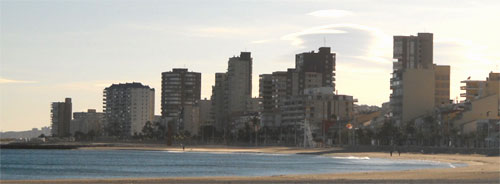
The central beach: Playa del Carrer la Mar
The broad central beach gives many visitors their first impression of El Campello. Its position beside the promenade makes it easy to combine swimming with cafés and a walk. Conditions and services vary with the season, so check current lifeguard information and beach flags on the day rather than relying on an old description.
For a family outing, a central beach can be more convenient than a remote cove: you are nearer to shops, toilets and transport. Even so, choose your exact entry point carefully if you have a pushchair or mobility limitation. A long stretch of sand can mean a considerable walk to the water.
Arrive early for an easier start in summer, especially if you drive. The beach becomes busier through the day and parking near the front can be limited. In cooler months, the same route works well for a long seaside walk even if you do not plan to swim.
The promenade
The traffic-free seafront is the simplest place to understand the town’s layout. Restaurants and cafés face the beach, while the older residential streets lie just inland. Walk along it in both directions before deciding where to spend the rest of your day. You will notice changes in the beach, crowd and views as you move away from the busiest section.
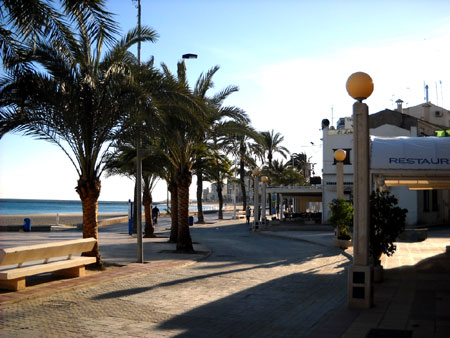
Evenings bring a different pace. Residents and visitors take a walk after the heat of the day, and choosing a place for dinner is easier once you have looked at a few menus. A sea view is pleasant, but a quieter side street may suit you better.
Do not treat the whole coastline as one continuous paved path. Check your route before setting off for a distant cove, particularly if you want to return by tram or bus.
The harbour and fishing tradition
The harbour provides a change of scene from the central beach. Working boats, leisure craft and the shore around them show why this location developed as a coastal settlement. Public access can be limited in operational parts of a port. Stay behind barriers and do not assume a quay is open because other people are visible there.
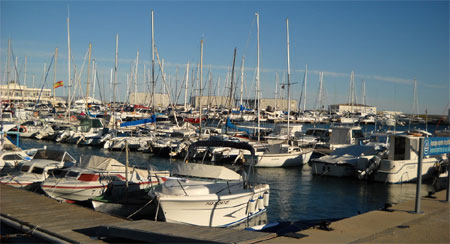
Older travel guides sometimes give a fixed time for a daily fish auction. Such arrangements can change or may not be open to casual spectators. If this is specifically why you are travelling, check with the local tourist office or port beforehand. The harbour remains worth a short walk even when no auction can be watched.
From here you can continue towards the historic site on the small peninsula. That short extension makes the day more varied than a straightforward beach visit.
La Illeta dels Banyets
La Illeta dels Banyets is an archaeological site near the coast, with remains from different periods of settlement. It adds an unexpectedly historical dimension to El Campello. Access to the excavated area has its own visitor arrangements; check current opening times, ticket information and any guided visit rather than assuming it is always open.
The surrounding shore includes a rocky swimming area and a small cove. The surface is different from the broad central beach, so water shoes may be useful. The site and bathing area should not be confused: being able to reach the nearby rocks does not necessarily mean the archaeological remains are open to visit.
The regional tourist information on La Illeta describes local transport and the swimming area. It is a useful place to check your approach before leaving the main promenade.
The watchtower and the coastal view
The historic watchtower near the harbour is another reminder of the coast’s defensive past. Towers along the Mediterranean were used to watch for threats from the sea. You can appreciate its position and silhouette as part of a walk around the headland, even if access to the structure itself is restricted.
Stand back and look at the relation between the tower, the sea and the small peninsula. It gives context that a close photograph cannot. Avoid walking onto fragile or closed ground around historic remains. A short, careful stop is enough to add a sense of place to an otherwise beach-focused day.
For travellers interested in regional history, combine this walk with the archaeological site rather than treating the tower as a separate long excursion. The two stops are close enough to fit naturally around lunch or a swim.
Find accommodation in El Campello
Check whether a property is near the central beach, a tram stop or an outer cove. The municipality covers more than the compact seafront shown in most photographs.
Other beaches and coves
El Campello’s coastline includes different settings beyond Playa del Carrer la Mar. Some places offer sand and services; others are smaller and more natural. Decide first whether you need lifeguards, easy access or a quiet view. An attractive photograph is not enough to tell you how to reach a cove or where to park.
South of El Campello, the long beaches towards San Juan provide a different, more open seaside outing. Check the exact municipal section and tram stop if you intend to visit a particular stretch. To the north, coves and smaller coastal areas may suit snorkelling when sea conditions are calm, but facilities vary.
Bring water, sun protection and suitable footwear for any beach that is not immediately beside restaurants. Respect coastal paths and private property. Our Spain beaches guide offers further ideas across the country.
Getting there by tram
TRAM d’Alacant is an important reason El Campello works as a car-free holiday base. It connects the Alicante area with stops along the coast, though services vary by line and time. Consult the operator’s current route planner for the correct stop, frequency and last return departure.
Travellers from Alicante can use the tram for a straightforward day trip. Continuing towards Villajoyosa, Benidorm and Dénia may involve different lines or a change. Do not assume a direct service based on a route described in an older article.
Check the walk from your chosen tram stop to the beach or accommodation. In summer, even a moderate walk with luggage can feel long in the afternoon heat.
Arriving by car
A car makes it easier to explore outer coves and inland destinations, but parking at popular beaches can be competitive. Use designated spaces, follow local restrictions and avoid blocking access roads. If your accommodation offers parking, confirm whether the space is included and suitable for your vehicle.
For a simple central day trip, the tram may save time and frustration. Driving becomes more valuable if you plan to continue to smaller coastal stops or inland villages. Consider whether you will actually use the car on enough days to justify the extra logistics.
When to visit El Campello
Summer brings warm-water beach days and the largest crowds. Spring and autumn often suit walking, archaeological visits and coastal excursions without the strongest heat. Winter can still be pleasant for a seafront stroll, although swimming and some seasonal services may not be on your agenda.
Wind and sea conditions matter for swimming and boat activities. A forecast of sunshine alone is not enough to guarantee a comfortable day on the water. Check local flags and operator notices before committing to a sea excursion.
If you visit during local holidays, check transport and attraction schedules. The town can feel busier than on an ordinary weekday, and individual museums may adjust their hours.
A balanced one-day itinerary
Arrive in the morning and walk the central promenade to the harbour. Continue to La Illeta dels Banyets if the site is open or the coastal walk appeals to you. Return for lunch, then choose between the main beach and a longer outing to another shore. In the evening, enjoy the promenade without rushing for a second town.
If you have only a few hours, concentrate on the central beach, harbour and one historical stop. A day trip should leave time to sit by the sea. If you are staying several nights, make separate outings to Alicante and Villajoyosa rather than attempting both in one day.
A plan that allows changes is especially useful here. Strong wind may favour the archaeology and town walk over a boat outing; hot weather might call for a shorter morning circuit and a shaded afternoon.
El Campello for families and slower trips
The main beach, promenade and cafés make it possible to organise a day with very little transport once you arrive. For families, the practical details matter: proximity to shade, toilets, drinking water and a place to take a break can be more valuable than reaching the most isolated cove. Check which services operate in your travel month; an amenity shown in a summer photograph may not be staffed out of season.
A slower stay also creates room for more than sunbathing. Use one morning for the harbour and archaeological site, another for an Alicante visit, and a third for a coastal walk. You do not have to make a long excursion every day. Many people choose El Campello precisely because a pleasant day can be spent close to their accommodation.
If travelling with an older relative or someone who finds walking difficult, focus on the accessible part of the seafront and verify the route to a restaurant and tram stop. The headland and archaeological remains may have uneven ground. Ask individual attractions about access rather than assuming that the same conditions apply along the whole waterfront.
Restaurant choice also benefits from a little planning. Look at the menu, opening hours and location before heading there hungry at the busiest time. A simple lunch near the beach and a later walk often make a more comfortable schedule than trying to use the hottest hours for sightseeing.
Frequently asked questions
Does El Campello have a sandy beach?
Yes. Its central beach is sandy. Other parts of the coastline include different surfaces and facilities.
Can I visit without renting a car?
Yes. The tram makes the centre accessible, but check the route for any outer cove you want to visit.
What is La Illeta dels Banyets?
It is a coastal archaeological site near a rocky bathing area. The excavated remains have separate visitor arrangements.
Is El Campello a good base for Alicante?
It can be, especially if you want a beach stay with public transport access to the city. Compare the actual travel time and nearest stop before booking.