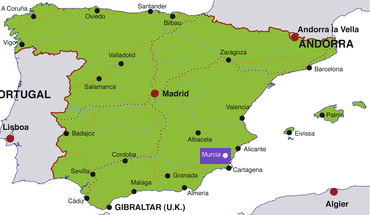
Murcia is an inland city in southeastern Spain with a walkable historic centre, an elaborate cathedral and a lively market culture. It is the capital of the Region of Murcia, not a beach resort, although the Mediterranean coast is reachable as a separate excursion. For a first visit, focus on the cathedral quarter, the streets around the Real Casino and a relaxed walk towards the Segura River.
Browse a general selection of attractions and activities. Check the destination and departure point before booking.
Why Murcia deserves a city visit
Visitors sometimes pass Murcia on the way to a coastal hotel without stopping. That misses a compact city where you can experience everyday urban life alongside major historic buildings. The centre mixes busy shopping streets, small squares, cafés and architectural surprises. Its scale makes it suitable for one full day, while a second day gives you room for museums and a slower food-focused visit.
Murcia is also different from the white hill towns and seaside resorts often associated with southern Spain. Its university life and local commerce give it an ordinary working-city rhythm. A morning among the monuments can be followed by a long lunch, a market visit or an evening walk when the heat drops.

Cathedral of Murcia
Murcia Cathedral is the city’s main landmark. Its history reaches back to the late medieval period, while the richly detailed Baroque façade gives the square its most prominent face. Inside, different architectural styles reflect a long sequence of alterations rather than a single building campaign. The tower is another defining element of the skyline.
Stand back in Plaza del Cardenal Belluga before approaching the entrance. From a little distance you can take in the full façade and see how it relates to the buildings around the square. A closer look reveals sculptural details that are easy to miss in a quick photograph. If you go inside, allow enough time for the chapels and museum if these interest you.
Visitor hours can vary around religious services and special events. Check the cathedral’s current ticket options rather than relying on an old fixed price. Some experiences, including tower visits, may have separate access arrangements. The official regional tourism guide is a useful starting point for the centre and its major sights.
Plaza del Cardenal Belluga and Episcopal Palace
The cathedral square is more than a place to take one picture. The Episcopal Palace faces the cathedral with its distinctive colour, creating a strong contrast with the stone façade. Spend a few minutes observing how people move through the square before following the main streets away from it.

This is a sensible orientation point for first-time visitors. A nearby tourist office can help with a current city map, access information and temporary exhibitions. It is also a practical place to ask which streets or buildings are affected by events on the day you arrive.
The square looks different as the light changes. If you are staying overnight, return after the daytime sightseeing rush; you can appreciate the setting without needing to buy another ticket.
Calle Trapería and the Real Casino
Calle Trapería leads from near the cathedral into the commercial heart of the old centre. The Real Casino of Murcia is one of its best-known buildings. Despite the name, it is a historic social club rather than a gambling casino. Visitors can see a selection of decorated interiors under the current admission arrangements.
Its rooms bring together different decorative styles. You do not have to be a specialist to enjoy the contrast between a busy street outside and formal spaces within. Check whether guided visits are available in your language and whether any rooms are temporarily unavailable for club events.
Walking Calle Trapería is also useful without entering the Casino. Follow the side streets, look at shopfronts and continue towards Plaza Santo Domingo. Rather than using a rigid route, take the centre in short sections and return to anything you skipped. Murcia’s historic core is well suited to that approach.

Squares, churches and shaded streets
Plaza Santo Domingo is a natural next stop after the Casino. From here, surrounding streets offer a range of churches, shops and cafés. Murcia’s historic fabric is best understood by walking between them instead of treating each building as an isolated stop. Some façades are easy to admire from the street; others reward an interior visit when open.
In summer the route becomes a practical question of shade and timing. The broad open square can feel much hotter than a nearby narrow lane. Start earlier, take a long break during the warmest part of the day and save a second walk for the evening. This is a better way to see the city than pushing through a list of ten stops at midday.
For travellers with limited mobility, central streets are relatively close together, but paving, kerbs and access to older buildings vary. Ask about step-free entrances before buying a museum ticket that requires stairs.
Mercado de Verónicas and local food
The Mercado de Verónicas gives you a glimpse of Murcia beyond formal sightseeing. It is a place to look at produce and local ingredients, especially if you visit during active market hours. Individual stalls and opening patterns change, so arrive earlier in the day if the market is important to your itinerary.

Murcia’s cuisine reflects the agricultural region around the city. Try a local dish in a restaurant rather than assuming every tapas board is specific to the city. Menus vary by season and establishment. Ask what is made locally and whether a small plate is enough for a snack or intended to be shared.
A market visit also works well before a cathedral appointment: it adds a different side of the city without requiring a long transfer. If you are travelling with children, a short stop among the stalls can break up a day dominated by historic interiors.
The Segura River and a broader walk
The Segura crosses Murcia near the historic centre. A walk towards the river creates a change of pace after the narrower shopping streets. Crossings and riverside paths offer different views back towards the city. Check your walking route on a current map, since roadworks or maintenance can interrupt an otherwise simple circuit.
Murcia’s identity cannot be reduced to one postcard façade. The river, squares and market show how the city functions as a regional centre. If you have more than a day, use this broader perspective to choose another neighbourhood or museum rather than returning only to the cathedral square.
Shopping and everyday city life
The central commercial streets include local businesses and national chains. Larger stores are useful if you need travel supplies, but the most interesting shopping experience is often simply exploring the lanes around the historic core. Opening patterns differ from those in northern Europe, especially on Sundays and local holidays.

Do not schedule a shopping trip around a single shop without checking its current hours. Many visitors enjoy the city most when they let a café stop or a small food shop determine the next turn. Even a short wander helps explain why Murcia works as a base rather than only a one-off excursion.
Across the river: Barrio del Carmen
Crossing the Segura brings you towards Barrio del Carmen and another side of Murcia. It is worth including if you want to see more than the monument cluster north of the river. Railway connections are also on this side of the city, so the area may naturally form part of your arrival or departure route.

Give yourself realistic time between the station and the cathedral area, especially with luggage or in summer heat. A walk that seems short on a map can feel longer when you are navigating unfamiliar crossings and traffic. If you only have a few hours, storing luggage and taking a clear route to the centre is more useful than attempting every neighbourhood.
Stay in Murcia
For a sightseeing visit, check walking time to the cathedral, the railway station and any parking facility you need. A central hotel can make an evening walk easy.
How to reach Murcia
Murcia has rail and bus connections with other Spanish cities. Check current routes and the particular station for your service. Some journeys from coastal resorts involve a change and can take longer than a simple distance estimate suggests. Driving offers flexibility, but city-centre parking can be inconvenient; consider using a signed car park and finishing on foot.
From Alicante or the southern Costa Blanca, Murcia is a feasible separate excursion. Avoid squeezing it into the same day as a distant beach or a large museum elsewhere. Public transport schedules may differ on weekends and holidays.
If you travel by car in summer, keep water available and avoid leaving valuables visible inside the vehicle. Work out where you will park before entering the narrower streets of the centre.
When to visit Murcia
Spring and autumn often make outdoor sightseeing more comfortable than high summer. Murcia can be very hot, so the time of day matters as much as the season. Indoor monuments and a slower lunch provide relief; an evening walk lets you see plazas in a different atmosphere.
Winter may be pleasant for a city break, but shorter daylight limits how much can be combined with regional excursions. Holidays and local festivals change the city’s rhythm and can affect accommodation availability and opening arrangements. Check event dates when making a fixed itinerary.
If you are choosing between a day trip and an overnight stay, consider your travel time. An overnight stay gives you a cooler evening and a second morning, which can make a substantial difference to the experience.
A practical one-day plan
Begin with the cathedral square and the exterior of the Episcopal Palace. If the cathedral interior is a priority, use a confirmed admission time. Continue along Calle Trapería to the Real Casino and nearby squares. Have lunch in the centre and use the afternoon for a market or museum according to opening hours. Finish with a walk towards the Segura rather than rushing to an unrelated attraction.
For a second day, return to a museum you missed, explore the area across the river or make a regional excursion. Murcia is a useful base, but decide first whether your trip is focused on city culture, the coast or the wider region. Trying to cover all three in one afternoon rarely works.
Carry a refillable bottle and check whether your chosen attractions close for part of the afternoon. An itinerary built around current opening times is much more reliable than a list copied from an older city guide. If a church is hosting a service, return later or enjoy its exterior instead. The centre is compact enough to adjust your route without losing the day.
Frequently asked questions
Is Murcia a beach city?
No. The city lies inland. The Region of Murcia has a Mediterranean coast, but a beach outing is a separate journey.
What is the best first stop?
Plaza del Cardenal Belluga helps orient you and puts the cathedral, the Episcopal Palace and nearby tourist information within a short walk.
Is the Real Casino a gambling venue?
No. It is a historic social club with visitor access to selected rooms under its current arrangements.
How long should I stay?
One full day is enough for a first look at the historic centre. Stay longer for museums, food and regional excursions.
Where else can I visit nearby?
Torrevieja and the southern Costa Blanca offer a coastal contrast, though travel times and transport should be checked before planning a same-day combination.