Spain is a rewarding country for birdwatching because it combines wetlands, mountains, steppe, farmland, forests and long coasts. You do not need to be an expert to notice flamingos on a lagoon, vultures above a ridge or swifts over a historic town. The best location depends on the season and the birds you hope to see. This guide introduces the main habitats and species while keeping sightings realistic: wildlife never follows a fixed timetable.
At a glance
Doñana and other wetlands attract waterbirds; Monfragüe is known for raptors and vultures; the Pyrenees offer mountain species; open plains can hold bustards. The Ebro Delta is a natural park, not a national park. Spring and autumn migrations bring change, while winter can be excellent for cranes and other waterbirds. Use hides and marked paths.
Nature trips in Spain
Compare nature activities in Spain on GetYourGuide. Check the exact location, wildlife focus and whether transport is included. No ethical operator can guarantee a wild-bird sighting.
Why Spain has such varied birdlife
The Iberian Peninsula lies between Atlantic and Mediterranean influences and on migration routes between Europe and Africa. Northern mountains, central plains and southern marshes create very different conditions. Islands add another layer: the Canaries have species and subspecies with distinct ecological histories, while the Balearics offer coastal cliffs, wetlands and woodland. The result is a wide variety of habitats within a single country.
A useful birding trip begins with habitat rather than a long checklist. If you want flamingos, look for appropriate shallow wetlands. If you hope to watch vultures, find a safe viewpoint in raptor country. For a quiet morning with common birds, a local park or riverbank may be more successful than a long drive to a famous reserve at the wrong time of year.
Vultures: Spain’s large scavengers
The griffon vulture is often the first large raptor a visitor notices, circling in groups over cliffs and uplands. The black vulture has a different, heavier silhouette and occurs in suitable regions of the peninsula. The Egyptian vulture is smaller and migratory in many areas. Identification from a distance takes practice: size is hard to judge against a blank sky, so look at wing shape, tail and flight behaviour.
Monfragüe National Park in Extremadura is a well-known place to observe raptors from established viewpoints. The Pyrenees and other mountain regions also support vultures, though a sighting depends on conditions. Do not approach nests or leave roads and paths to get closer. A long lens or binoculars provide a better encounter than disturbing a protected breeding site.
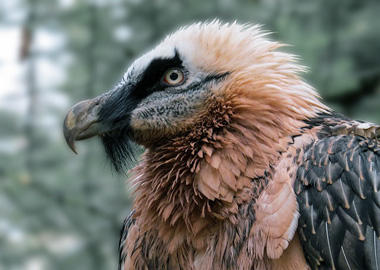
The bearded vulture
The bearded vulture is especially associated with mountain landscapes such as the Pyrenees. Its long wings and distinctive tail make it memorable once you know what to look for. It feeds in an unusual way, making use of bones after other scavengers have taken softer parts. Conservation work has helped populations in several regions, but it remains a species to observe at a respectful distance.
Do not confuse a photograph of a bearded vulture with a promise to see one on every mountain walk. Weather, season and luck matter. Join a knowledgeable local guide if this species is your main goal and use official park advice on where public viewing is appropriate. A distant, undisturbed bird is a better result than a close encounter caused by intrusion.
Eagles and other birds of prey
Spain has several eagles and other raptors, including the Spanish imperial eagle in parts of the peninsula. Golden eagles occur in suitable open and mountainous country. Booted eagles, short-toed eagles, kites and harriers may also be seen according to habitat and season. Beginners often call every large soaring bird an eagle, though many will be vultures or buzzards. Record shape, colour and behaviour before settling on an identification.
Watching raptors is often a patient activity. Choose a legal public viewpoint, scan with binoculars and give your eyes time to adjust. Midday thermals can help soaring birds, while the cooler morning may suit a comfortable walk. Keep a safe distance from cliffs and avoid drones, which can disturb wildlife and may be prohibited in protected areas.
Flamingos in Spanish wetlands
Greater flamingos are among the easiest birds for casual visitors to recognise. They use shallow waters where feeding conditions suit them. Doñana in Andalusia and the Ebro Delta in Catalonia are prominent wetland landscapes, but the number visible on a particular day changes with water conditions and season. Salt pans and other wetlands can also be productive. Look from approved observation points rather than entering sensitive shallows.
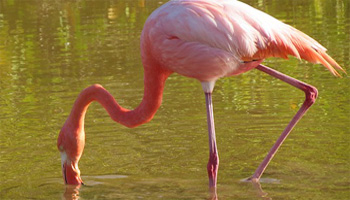
A flamingo standing far across a lagoon is often more enjoyable through binoculars than in a phone photograph. Do not approach a flock to make it fly for a dramatic picture. Feeding and resting are essential activities, particularly when birds are breeding or migrating. Wetland authorities may close paths temporarily to protect them.
Doñana and other wetlands
Doñana’s marshes, dunes and woodland form one of Europe’s notable wetland landscapes. Different areas are managed differently; some can be visited independently on public routes, while other visits require an authorised tour. Water availability varies substantially, and a wetland may look very different in a dry year. Check the current park conditions before travelling long distances for one expected view.
Other useful wetland locations include the Ebro Delta, Tablas de Daimiel National Park when conditions allow, the Albufera near Valencia and lagoons used by cranes and geese in winter. Not every site is a national park. Protection categories, visitor rules and observation facilities differ. Our Spain national parks guide explains the distinction.
Cranes, geese and winter visitors
Winter can be a strong season for observing birds in Spain. Common cranes gather at suitable feeding and roosting sites, and waterbirds use reservoirs and wetlands according to weather and water levels. Gallocanta in Aragón is particularly associated with crane migration and winter movements. A roost can be impressive, but viewing should be from approved places so birds are not forced to waste energy.
Ask local visitor centres about current observations rather than driving directly to a pin shared online. Numbers change from day to day. Dawn and dusk can bring movement, but bring warm clothing, allow for low light and keep noise down. A good field experience is often about behaviour and landscape, not merely a large count.
Steppe birds and open farmland
Great bustards and little bustards belong to a very different landscape from coastal flamingos. They use open country, where agricultural practices strongly influence habitat. Spring can be an interesting time for displaying birds, but breeding areas need particular care. Scan from public roads or designated observation areas; do not drive across fields or approach birds on foot for a close photograph.
Other open-country birds include larks, sandgrouse and raptors that hunt over farmland. Many are difficult to identify without experience. The best trip may involve a local guide who knows legal access and current conditions. Respect gates and private land. A plain landscape that seems empty from a moving car can become lively after twenty quiet minutes with binoculars.
Coastal and island birdwatching
Seabirds, waders and gulls make coastal birding possible even during an ordinary beach holiday. Estuaries and mudflats are often most productive at particular tidal stages. On islands, cliff-nesting seabirds may be present seasonally, while sheltered wetlands support migrants. Protected islands such as the Cíes have rules designed to limit disturbance. A ferry ticket does not give permission to walk into closed nesting areas.
In the Canaries, habitats and species differ from mainland Spain. Treat an island itinerary on its own terms rather than bringing a peninsula checklist. A common bird in a village garden may be more rewarding to study than a rare species glimpsed from a speeding tour bus. Keep your distance, never feed wild birds and avoid flash or playback near nests.
Birds in towns and villages
Swifts and swallows are familiar summer sights over many Spanish towns, though they are often confused. White storks can nest conspicuously on buildings in suitable regions. Parks host pigeons, sparrows, blackbirds and other species that are easy to observe without specialist travel. A short morning walk near your accommodation can provide a useful introduction to calls and flight patterns.
Historic buildings sometimes have protected nests. Do not enter restricted roof areas or try to handle a fledgling without expert advice. If you find a bird that appears injured, contact local wildlife services rather than assuming it needs food or water from an untrained visitor. Urban birdwatching is a good way to practise quietly before tackling distant raptors.
Best seasons for birdwatching
Spring brings breeding activity and northbound migration. Autumn brings movement in the other direction, often with changing weather and useful coastal stopovers. Summer can be hot in inland regions, so start early and carry water. Winter offers cranes, geese and many waterbirds, with the advantage of cooler walking conditions in much of southern Spain.
There is no single best month for every bird. A breeding species may be absent in winter, while a wintering flock may leave before summer. Research the species and site you care about, then check current local reports and access rules. Weather matters too: strong wind can change a coastal outing and rain can make a dirt track difficult.
Equipment and responsible behaviour
Binoculars are more useful for most beginners than an expensive camera. Carry water, suitable shoes, sun protection and a map. A small notebook helps you remember what you actually saw. Use hides and marked trails, keep voices low and let other visitors share narrow viewing points. Keep dogs under control according to the local rules; some protected areas do not admit them.
Never publish a precise active nest location casually. Do not use recorded calls to lure birds without understanding the disturbance this may cause. Feeding, flushing birds for photographs and approaching chicks are poor wildlife practices. If a route is closed, choose another. Tourism is worthwhile only if the habitat and animals remain protected after visitors leave.
Stay near a nature area
Compare accommodation in Spain on Booking.com. Check the actual distance to the visitor centre and whether an early start requires a car.
Planning a simple first birding day
Choose one wetland or public viewpoint near your holiday base. Check opening hours and whether a permit or guided access is required. Go at a comfortable time, spend at least an hour observing and note a handful of birds rather than chasing a huge species list. A visitor centre can explain what is currently visible. If nothing rare appears, watch common birds: feeding, calls and movement still tell you about the habitat.
For a longer trip, combine contrasting places rather than visiting several nearly identical viewpoints in a rush. A wetland and a mountain area show the breadth of Spain’s birdlife. Allow driving time and seasonal weather changes. The experience is better when you plan where to look and then accept what nature actually presents.
Related guides
Wildlife in Spain · National parks · Natural wonders · Beaches.
Understanding migration routes
Spain sits between northern Europe and Africa, but birds do not all follow one neat corridor. Soaring species such as storks and raptors often gather where a short crossing makes the journey easier, especially around the Strait of Gibraltar. Small songbirds can take different routes, and many waterbirds use wetlands as places to rest and feed. A strong wind or a change in water levels can alter what you see on any given day.
That is why a familiar reserve can offer a very different visit in spring, late summer or winter. Before choosing a destination, decide whether you hope to see breeding birds, passage migrants or wintering flocks. Local visitor centres and regional nature authorities can help you choose an accessible route and identify any seasonal closures. Once there, spend time watching from a fixed viewpoint. Quiet observation usually reveals more than trying to cover every path in a hurry.
Bird photography calls for particular care. A long lens lets you keep your distance, while a marked hide provides cover without disturbing wildlife. If a bird changes its behaviour, gives repeated alarm calls or leaves a nest because you are nearby, step back. Never enter a closed nesting area for a picture, and keep dogs on the permitted paths in protected reserves.
Frequently asked questions
Where can I see flamingos?
Suitable Spanish wetlands include Doñana and the Ebro Delta, but sightings vary with water and season. Check local visitor information.
Do I need a guide?
Not for common birds on public routes. A guide is valuable for difficult identification, sensitive habitats or a particular target species.
Is a national park always the best choice?
No. Natural parks, reserves, agricultural areas and even city parks can be excellent when visited responsibly.