 Posted by
El Puerto de Santa María sits on the Bay of Cádiz in Andalusia. It combines an old town, the Guadalete River, Atlantic beaches and an easy connection across the bay to Cádiz. The town is often shortened to “El Puerto”, but its full name is useful when searching transport schedules and accommodation. A day trip covers the centre; a longer stay leaves time for beaches, food and nearby cities.
Explore the Bay of Cádiz
Guided activities can add context to local history, sherry production and the coastline. Compare meeting points and duration before booking.
Why visit El Puerto de Santa María?
The town offers a mix that is hard to get from a single beach resort. You can see historic buildings and bodegas, walk beside the river and spend another part of the day on the Atlantic sand. Cádiz is close enough for an outing, but El Puerto has its own identity and should not be treated merely as a place to sleep outside the city.
Its layout takes a little orientation. The old centre lies around the lower Guadalete, while beaches and residential districts extend beyond it. The train station, ferry landing and the particular beach you want are not all the same place. Check walking distances before booking a short stay.
Castillo de San Marcos
Castillo de San Marcos is a prominent historic building in the old town. Its layered history makes it more interesting than a castle photographed only from outside. Visitor access, tour languages and opening dates can vary, so check the current programme before making a special journey for an interior visit.
The setting is part of the attraction. Walk around the exterior, then continue into surrounding streets to see how the building relates to the commercial centre. A guided tour may help explain the site’s changing uses, but it should be chosen for its actual content and schedule rather than an old ticket claim.
If the castle is closed, the town still has enough to fill a walk. Use the extra time for the market area, a bodega visit arranged in advance or a longer riverfront circuit.
The main church and old streets
The Iglesia Mayor Prioral is a notable landmark in El Puerto’s historic centre. As with many churches, visitor access can be affected by services and local events. Look at the exterior and surrounding square before entering; it is easier to understand the building when you see it within the town.

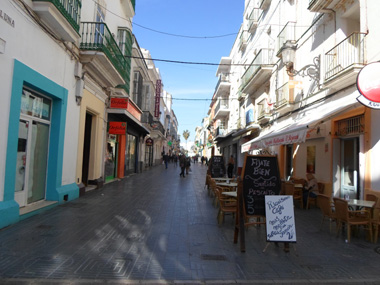
From here, walk without a rigid checklist through the surrounding lanes. The centre contains more of daily El Puerto than a list of isolated sights can show. Cafés, shops and small squares give you natural breaks, especially during the warmest hours.
Historic paving can be uneven. If you have limited mobility, plan a route along the larger streets and ask individual attractions about step-free entry. The short distance between landmarks does not guarantee a completely easy surface.
The Guadalete River and waterfront
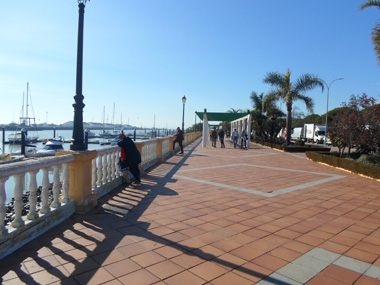
The Guadalete passes through the urban area before reaching the bay. A walk along the river helps explain the town’s historic relationship with trade and the sea. The ferry terminal and other transport facilities are part of the present-day waterfront; check the exact pedestrian route rather than assuming every riverside section is continuously open.
Morning and evening give different light and activity. A short river walk before lunch can orient you for the rest of the day. If you are arriving by boat from Cádiz, pause to look at the town from the water as well as from the quay.
Waterfront routes can be windy. A light layer is useful outside summer, even when the inland streets feel warm. Keep an eye on the return crossing if you are relying on the boat rather than a train.
Catamaran to Cádiz
The Bay of Cádiz public transport network operates a catamaran link between Cádiz and El Puerto de Santa María when conditions allow. It is both practical transport and a pleasant view of the bay. The crossing is not the same as a scheduled sightseeing cruise, so check the public service’s current times and ticketing.
Weather can disrupt sailings. If you have a flight or train to catch, leave a backup option and do not rely on the last boat. The transport consortium’s route timetable provides current departure information; check it again on travel day.
Confirm the correct terminal. In Cádiz the metropolitan maritime station is near Plaza de Sevilla; in El Puerto it is on Avenida de la Bajamar. Your accommodation or desired beach may still be a separate bus or taxi ride away.
Valdelagrana beach
Valdelagrana is one of the most convenient beaches for visitors who want a broad stretch of sand and a promenade with services. It lies away from the old-town core, so plan how you will get there. Its open Atlantic setting can be windy, which suits some water sports but changes swimming comfort.
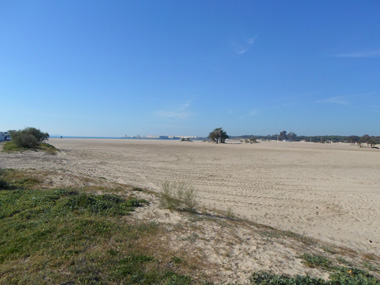
Check flags, lifeguard advice and conditions on the day. A flat-looking beach can still have currents and wind. Families should choose an access point with the services they need instead of walking far along the sand in search of an empty section.
The official Valdelagrana beach information describes its facilities and accessible access points. Verify their seasonal operation before travelling specifically for one service.
Other beaches and the bay landscape
El Puerto’s coast extends beyond Valdelagrana. Some stretches are more developed, while parts near the Bay of Cádiz Natural Park feel less urban. A quieter beach may require a longer walk and have fewer services. Decide whether you need restaurants and lifeguards or prefer space and nature.
Playa de Levante, for example, is associated with a less built-up coastal landscape near Valdelagrana. Local tourist information describes an approach on foot. Carry water and sun protection, check any protected-area rules and do not drive onto sand or dunes because a map appears to show a track.
Atlantic conditions differ from a sheltered Mediterranean bay. The water, wind and tides deserve attention. A beach that looks peaceful in a still photograph may be exposed on the day you visit.
Food, sherry and local life
El Puerto belongs to the wider sherry-producing area around Cádiz and Jerez. A bodega visit can explain the region’s wine traditions, but tours vary and often require advance booking. If you do not drink alcohol, the architecture, food and historic context may still be of interest; confirm the content before buying.
Seafood is a visible part of local menus, alongside many other Andalusian dishes. Read the current menu and ask about portions, especially when ordering a shared plate. A restaurant near the river can make a convenient break after sightseeing, while a beach promenade suits a more leisurely afternoon meal.
Some businesses close for part of the day or have different hours outside summer. Plan one or two possible options rather than making a long journey for a single place you have not checked.
The bullring as a historic building
El Puerto has a large historic bullring. Visitors interested in architecture can see its exterior as part of a town walk, and tours may be offered under current arrangements. A bullring visit does not require attending a corrida. If you are considering a live event, read our balanced guide to bullfighting in Spain to understand what happens.
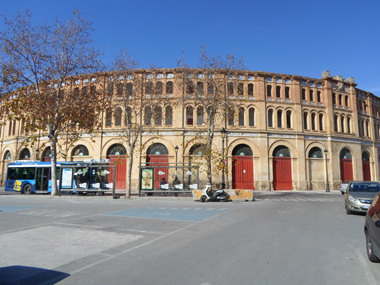
The building’s scale is striking within the town. Its programme and visitor access vary, so do not assume an old listed tour or event still operates. It can be appreciated as architecture without making it the centre of your day.
Choose your El Puerto base
Check whether a hotel is close to the old town, the ferry landing or the beach you want. These areas suit different kinds of stay.
Arriving by train and road
El Puerto is on the Cádiz area rail network. Check the current Renfe route and the walk from the station to your destination. A train to El Puerto does not take you directly to every beach. If you are travelling from farther away, a connection may be needed.
Drivers should identify a car park for the old town or beach before arrival. Summer weekends can make the easiest spaces busy. The urban area is spread out enough that choosing a parking place near the wrong side of town can add an inconvenient walk.
Jerez airport is a possible air gateway, subject to current flight schedules and onward transport. Seville and other airports may be alternatives for a longer Andalusian itinerary; compare the full transfer rather than the airfare alone.
When to visit and how long to stay
Summer is attractive for a beach holiday but brings strong sun, busy coastal areas and more demand for accommodation. Spring and autumn can suit walking and city visits, though Atlantic weather remains changeable. Winter is quieter and works for an urban break if you are not expecting beach services.
One day is enough for an old-town circuit and perhaps a boat crossing or beach, but doing all three can feel rushed. With two or three days, keep the town, Cádiz and the coast as separate outings. This gives you flexibility if wind affects the catamaran.
El Puerto as a base for Cádiz and Jerez
Cádiz and Jerez offer very different excursions. Cádiz has an Atlantic old city; Jerez is associated with sherry, horses and an inland urban setting. El Puerto sits between them as a coastal base, but each trip needs its own transport check.
For a car-free itinerary, compare train and catamaran times and note where they leave you in each town. A day that includes two return journeys and several museums can become too full. Choose one city per day and leave El Puerto’s beach for a separate period.
If you have a car, check parking and any restricted streets at the destination before departure. Sometimes the public transport journey is simpler than navigating another historic centre.
A sensible first-day walk
Start near the old centre and see the castle from outside. Continue to the main church and nearby streets, then pause for lunch. Walk towards the Guadalete and locate the catamaran terminal if you intend to use it later. If beach time is a priority, transfer to Valdelagrana in the afternoon rather than trying to walk there without checking the route.
This plan can be reversed if the castle has a confirmed tour time. It also works in shorter sections for visitors who need regular breaks. The point is to see the town as a connected place rather than racing between five photographs.
For a beach stay with limited mobility, ask about the exact route from your accommodation to the accessible access point, not merely whether the beach is described as accessible. Valdelagrana lists adapted facilities, but their availability and operating season should be confirmed. The catamaran operator can also advise about boarding assistance and any service changes.
Check the local weather forecast as well as the timetable whenever a boat crossing shapes your day.
Frequently asked questions
Is El Puerto de Santa María the same as Puerto de Santa María?
Yes. The shorter form is common, but use the full name when searching transport and accommodation to avoid confusion.
Can I travel to Cádiz by boat?
A public catamaran route connects the towns when operating. Check the current schedule and weather notices before departure.
Is the beach beside the old town?
Not all beaches are within an easy walk of the historic centre. Check the specific beach and your transport plan.
How long should I stay?
A day covers the centre. Two or more days give you room for beach time and a Cádiz or Jerez excursion.