Opening hours in Spain vary by city, region, season and type of business. A small shop may close for part of the afternoon, while a large supermarket in a tourist area stays open continuously. Museums, churches, pharmacies and post offices each follow their own schedules. This guide shows how to plan a day without relying on an outdated nationwide timetable.
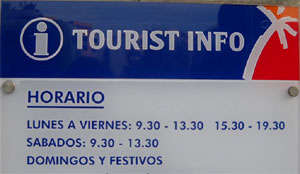
Why there is no single Spanish opening time
Spain has different regional laws, climate patterns and local business habits. The timetable of a supermarket in central Madrid cannot be applied to a village shop in Andalusia or an island resort. Even two neighbouring businesses may choose different hours.
The familiar word siesta can mislead visitors. An afternoon closure is not necessarily a nap; for a small business it may reflect a long working day, a family-run schedule or summer heat. Many modern shops in busy commercial districts stay open continuously. Look for the hours posted at the individual door.
Use current official websites and map listings as leads, but verify important appointments with the operator. Public holiday information can be especially slow to update on third-party listings.
Small shops and independent businesses
Independent stores may open in the morning, close for several hours and return later in the day. The pattern is more common in some towns than in shopping centres or the heart of large cities. A visitor who arrives at 3 p.m. may find a quiet street that becomes lively again in the evening.
If a particular shop matters to you, note the posted hours and return on the correct day. Do not interpret a closed shutter as proof that a business has permanently shut. A handwritten notice may explain a holiday or temporary change.
In the hottest months, a slower afternoon rhythm can make practical sense. Plan indoor sightseeing, a meal or a rest during the warmest hours, then shop or walk later.
Supermarkets and food shops
Larger supermarkets often have longer continuous hours, while smaller food shops may close earlier or on certain days. Tourist destinations can have exceptions, but prices and selection may differ from a larger store away from the beachfront.
Check the nearest supermarket before arriving late at an apartment. A search result showing the shop’s normal weekday hours does not tell you whether it opens on a local festival day. Stock essential food and water when you have a reliable opportunity, rather than waiting until the last evening.
Markets are a separate category. Many food stalls are most active in the morning. A municipal market advertised as an attraction may include restaurants that remain open after ordinary produce stalls close.
Shopping centres and department stores
Large malls and department stores may keep longer hours than small family businesses. This can make them useful for travel supplies or an indoor break in bad weather. Sunday opening still varies by location and the applicable calendar.
Do not assume that a shopping-centre building being open means every shop inside operates. Restaurants, cinemas and individual stores may each follow different schedules. Check the specific business if you need an item urgently.
For a city break, shopping is easiest to combine with a nearby sight rather than making a separate cross-city journey. Our Madrid guide covers a practical first visit to the capital.
Sundays and public holidays
A Sunday may be quiet in a small town but busy in a coastal tourist district. Regional and municipal rules, local holidays and seasonal exceptions influence which shops open. Never make a blanket plan on the assumption that “everything is closed” or “everything is open”.
National holidays are only part of the picture. Autonomous communities and municipalities have their own dates. A town’s patron-saint festival may change local shopping and transport while a nearby city follows an ordinary schedule.
If you have a rental car or a long transfer, buy essentials the day before a holiday. Confirm attraction and restaurant arrangements separately; a museum can be open while most shops are closed, or the reverse.
Museums and monuments
Many museums have a regular weekly closing day, which is not necessarily Sunday. Some operate shorter hours on holidays, extend hours in summer or require timed entry. Temporary exhibitions may have different admission rules from permanent collections.
Always check the institution’s own website for your date. The Prado Museum, for example, should be planned through its current visitor information rather than a fixed timetable copied into a travel guide. A ticket bought for one time slot may not be accepted later.
A good city itinerary puts the least flexible attraction first and leaves plazas, parks and neighbourhood walks for the remaining hours. This reduces the damage when a museum’s schedule changes.
Churches and cathedrals
A church is an active place of worship, not only a tourist site. Sightseeing access may pause during services, weddings or other religious activities. Paid cultural visits and free worship access can have different entrances or times.
Check the visitor page for a cathedral before travelling. Even when the building is generally open, a tower, roof or museum may need a separate reservation. Dress and behaviour rules deserve attention, especially when a service is in progress.
For a short stay, visit the exterior as part of a walking route and arrange the interior for a confirmed opening. Our Spain sights guide can help you choose priorities.
Restaurants and meal times
Lunch and dinner can run later than in northern Europe, but every restaurant sets its own kitchen hours. A place might serve drinks throughout the afternoon while the kitchen is closed between meal services. Check before taking a table if you want a full meal.
Tourist streets often have restaurants serving earlier, while neighbourhood restaurants may start dinner later. Neither timetable guarantees better food. A snack in the afternoon can make a later meal more comfortable.
If you need to eat early with children, look for a verified kitchen schedule rather than assuming all venues near the hotel will serve. On weekends and festival nights, reserving a particular restaurant may help.
Cafés and bars
Cafés may open early for breakfast, while bars can stay active late into the evening. Hours change with neighbourhood and season. A beach café may close outside the bathing months, whereas an urban bakery operates for local residents year-round.
Some establishments are open but serve a reduced menu at particular hours. Ask what is available instead of relying on an online photograph of a menu. A simple café stop can be a useful buffer between a closed museum and a later dinner.
Post offices and stamps
Correos is Spain’s national postal operator. Branch hours vary, and a counter in a small town may have a different schedule from one in a large city. Use the Correos website to find a branch and check current hours.

Postage depends on destination, format and weight. Buy the correct stamp rather than trusting a price printed on an old postcard display. Our guide to the Spanish post explains mailing postcards and parcels.
Pharmacies and urgent needs
A pharmacy is a farmacia. Regular opening hours differ by branch, but a duty system provides out-of-hours service. A closed pharmacy may display where the nearest duty pharmacy is, and official local directories can help.
Do not wait until a medicine runs out to investigate. Bring enough prescribed medication for the trip and know the name of its active ingredient. If you need urgent medical help rather than an over-the-counter product, use the appropriate health service; in an emergency, call 112.
Store hours are not a reliable guide to clinical availability. A pharmacy may be open yet unable to replace a particular prescription without the required documentation.
Banks, cash and services
Bank branch hours are often shorter than retail hours. ATMs and electronic banking offer alternatives for many routine needs, but cash withdrawal fees and card conditions depend on your own bank and the machine operator.
If you must visit a branch, confirm its exact hours and whether an appointment is required. A bank address on a map does not guarantee a full-service counter or currency exchange.
Hotels and tourist offices may have helpful local information, but they cannot override a bank’s identification requirements. Plan unusual financial tasks before travelling when possible.
Beaches and seasonal attractions
A public beach is not a shop with a single opening hour, but lifeguards, toilets, rental equipment and accessible bathing facilities often operate seasonally. The ability to walk onto the sand does not mean all services are available.
Boat trips and outdoor attractions can change with weather. Check their operator’s current status on the morning of your visit. Our Spanish beaches guide helps distinguish different coastal settings.
For early departures or late arrivals, check the opening hours of nearby food shops and transport as well as the hotel’s check-in procedure.
Public transport timetables
Transport is another kind of opening-hours question. A railway station can be accessible while its ticket office is closed. A city bus may run later than a regional connection. Check the service itself, not only the building.
Sunday and holiday schedules matter especially in smaller towns. Our public transport guide covers trains, buses and trams. For a flight, leave a margin and verify the first or last departure on the specific date.
Planning a day around changing hours
Pick one confirmed booking as the anchor of the day. Add flexible stops nearby and avoid crossing a city for an unverified shop. If rain, a festival or a service changes the plan, you can swap a park walk and a museum without losing the whole day.
Save official pages or a screenshot of the latest hours, but check for notices at the entrance. A temporary closure can occur even after you planned carefully. In a small town, the tourist office can often clarify whether a business has merely changed its afternoon schedule.
For popular sights, compare the current ticket conditions and leave a margin around transport and security checks.
How to check a specific opening time
Start with the official website of the place you want to visit and look for today’s timetable, rather than relying on a general guide or an old search result. A museum may list separate hours for its permanent collection, temporary exhibitions and ticket office. A restaurant can keep its dining room open while stopping kitchen service earlier. On a public holiday, a shop in a tourist district may be open while another branch of the same chain is closed.
If a journey depends on one opening time, call ahead or check the business’s recent announcement. When searching online, include the town name and the exact branch. Many businesses publish seasonal hours on their own social accounts, but check the date of the post. Leave a margin before closing time, particularly for markets, museums and smaller attractions. In rural areas, a short drive to another shop may be inconvenient, so buying essentials in advance is sensible.
For appointments such as car rental collection, ask what happens if your flight arrives after the desk closes. An airport terminal can remain active after individual rental counters shut. Likewise, a hotel with late check-in may need advance notice. These details matter far more than a nationwide rule of thumb.
Frequently asked questions
Do Spanish shops close for a siesta?
Some smaller shops close for part of the afternoon; many larger or tourist-area businesses do not. Check the individual business.
Are stores open on Sunday?
It depends on the region, city, season and shop. Plan essentials ahead and verify the specific store.
Do museums close on Monday?
Some do, but not all. Check each institution’s official schedule for your date.
When should I check opening hours?
Before booking a journey and again shortly before visiting, especially near a holiday or special event.