Gandia is a useful choice for a Valencia region holiday if you want both a real town and a beach resort. The historic centre lies inland, while Platja de Gandia has the seafront hotels, a long sandy beach and a different summer rhythm. Understanding that separation is the key to choosing where to stay. You can spend a morning in the old town, return to the sea in the afternoon and still have restaurants and everyday services close by.
- Gandia’s historic centre and the beach district are separate areas.
- The Ducal Palace is the main historical sight.
- The wide beach suits a conventional seaside stay, with seasonal services.
- Valencia, Dénia and the surrounding countryside offer day trips.
- Check official schedules for the palace, transport and beach facilities before travelling.
Gandia works as a base for exploring the coast and nearby cities. Check departure points before booking a regional tour.
Gandia town and Platja de Gandia
Gandia is often described as a beach destination, yet its historic streets are not directly behind the sand. The older town sits a few kilometres inland, and the coastal neighbourhood developed around tourism. A traveller who books a room in “Gandia” without checking the map may find a much longer walk to the water than expected. Conversely, someone staying beside the beach should allow time for a separate visit to the town centre.
The split is an advantage if you want variety. The centre has shops, civic life and historic buildings; the beach has a promenade, hotels and an open seaside atmosphere. In high summer the coastal district is busy, while outside the main season the balance changes. The distinction also affects transport: confirm the stop nearest your accommodation rather than assuming every bus or rail connection ends at the beach.
The Ducal Palace
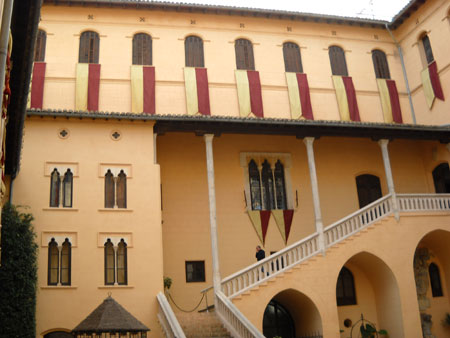
The Palau Ducal dels Borja, often called the Ducal Palace of Gandia, is the town’s most significant heritage site. Its history is linked to the Borja family, known internationally as the Borgias. A visit gives context to Gandia beyond its modern resort identity. Architecture and rooms reflect changes over several periods, so a guided tour may be worthwhile if you want the historical story rather than a quick look at decoration.
Check the palace’s official website for current tours, languages, ticket types and opening times. Group visits, events and seasonal schedules can affect availability. Arrive with enough time to appreciate the rooms and then walk through the surrounding centre. Do not rely on an old fixed admission price printed in a travel article. If a particular language is important, confirm it when booking.
Walking the historic centre
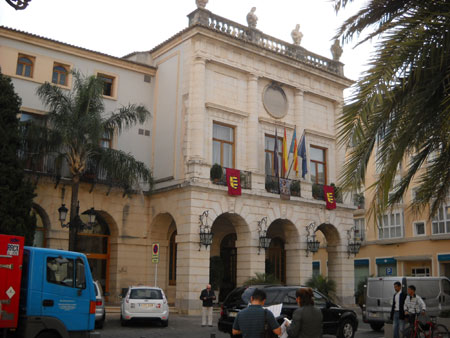
Gandia’s centre is compact enough for an unhurried walk. The streets around the palace and the collegiate church are a sensible starting point. Instead of treating each building as a separate appointment, take time to notice the shops, squares and the way residents use the centre. A morning visit can combine a historic sight with a market or a coffee stop before the afternoon warms up.
Old town streets may have uneven paving or restricted vehicle access. If you arrive by car, choose a legal parking area outside the tightest streets and continue on foot. If you come from the beach by bus, check the return service, especially on Sundays or during a local holiday. A central hotel can be useful for cultural visits, but it is a different holiday from a beach-front stay.
Collegiate church and other heritage
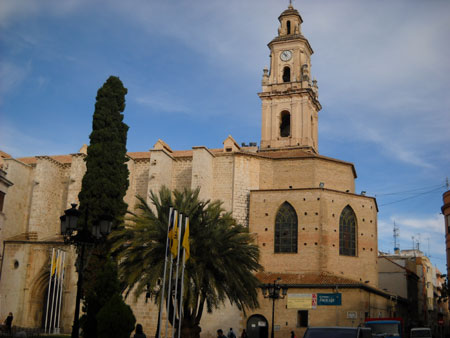
The Colegiata de Santa Maria is a prominent historic church in the town centre. Religious buildings may close to visitors for services and can have different visiting hours from those shown on a general map. Dress and behave respectfully, and check whether photography is permitted. A short stop here pairs naturally with the Ducal Palace and a walk through the pedestrian streets.
For more context, look for local museums and temporary exhibitions listed by the municipality. Small institutions sometimes have limited hours, so verify before building an itinerary around one. An interesting town visit is possible even if you decide to see only one interior: the change of atmosphere between Gandia’s old streets and the beach is part of the appeal.
Platja de Gandia and the seafront
The beach district offers the classic seaside part of the trip. Its broad sandy shore provides room for walking and swimming, and the promenade links accommodation with cafes and restaurants. Conditions change with the weather: a beach that is calm in the morning can be windier later. Follow flags, lifeguard advice and any local signs. Seasonal facilities should never be assumed to operate all year.
If travelling with children, choose a place to settle near facilities you actually need, and supervise swimming even on an apparently gentle day. Sun protection and water are important in summer. An early walk along the seafront is often more comfortable than a midday outing, while evening offers another atmosphere as people return to the promenade. Keep valuables with you rather than leaving bags unattended while you enter the sea.
Choosing where to stay
Stay near the beach if swimming and an easy seaside routine are your priority. Choose the town centre if you want an urban base, transport links and historic streets close to your door. A property between the two may look convenient on a map but require regular journeys in both directions. Check the precise address, the nearest stop and parking conditions before booking.
Read recent accommodation reviews for noise, air conditioning and access details. A room near nightlife can suit one traveller and frustrate another. If you plan a family stay, check the sleeping arrangement rather than relying on the number of beds alone. For a winter visit, make sure the services you care about are open outside the beach season.
Compare the old town and beach district by exact location, cancellation terms and transport access.
Getting to Gandia
Gandia is linked with Valencia by regional rail services, but check the current route and timetable for your travel date. Train arrival in the town does not put you directly on the sand, so plan the final connection to Platja de Gandia. If you fly into Valencia, consider the airport transfer to the city rail station as well as the train itself. A through journey can take longer than the headline train time suggests.
Driving offers flexibility for inland excursions and coastal stops, but it adds parking decisions. Summer beach parking can be competitive. A car is unnecessary for every visitor: if you plan mostly beach days and a few city trips, public transport may be simpler. For broader advice see renting a car in Spain and public transport.
Food and markets
The Valencia region has a strong rice tradition, but menus vary by restaurant and season. Look for a place where a dish is prepared for the number of people in your party, and ask about preparation time. At the beach, easy meals and seafront terraces are plentiful during the busy season. In the town centre, local markets and small businesses provide a more everyday view of Gandia.
Restaurant recommendations age quickly. Rather than relying on an unverified list of names from several years ago, check a recent menu, current opening times and the location. The most prominent promenade restaurant is not automatically the best fit for every budget. If you have an allergy, explain it clearly and confirm the ingredients with staff.
Day trip to Valencia
Valencia combines historic streets, museums, food and a different urban scale from Gandia. Choose one or two priorities, then check train times for an unhurried return. A full city day can be tiring in hot weather, so build in shade and indoor stops. If your Gandia holiday is mainly for the beach, a single thoughtful Valencia visit may be more rewarding than repeated rushed trips.
Dénia and other coast towns
Dénia has a port and a different coastal character. It can form part of a longer trip, but check how you will travel between towns; proximity on a map does not guarantee a direct train. Alicante is another possible stop on a wider route rather than a casual quick outing from Gandia. When planning multiple destinations, compare the total travel time, not just road distance.
The surrounding region also offers wetlands, rural landscapes and small communities. If you are interested in birdlife or walks, seek current access information for the specific site. Protected areas can have sensitive habitats; remain on designated paths and avoid disturbing wildlife.
When to visit
Summer suits a conventional beach holiday but brings heat and higher demand. Spring and autumn are often appealing for combining a town walk with coastal time, though swimming conditions vary. Winter can be quiet along the beach and useful for a relaxed longer stay, provided you do not expect every seasonal restaurant or activity to be running. Weather and local events should guide your packing and bookings.
Check public holidays and festivals before deciding whether a particular day is good for museum visits. A local celebration may make the town more lively but change opening times and transport. The Spain opening hours guide explains how to confirm a venue’s actual schedule.
A two-day Gandia itinerary
On day one, explore the historic centre. Start with the Ducal Palace at a booked or confirmed time, walk around the collegiate church and stop for lunch or a market visit. In the late afternoon, travel towards the shore for a promenade walk. This order avoids treating the old town as an afterthought after a long beach day.
On day two, stay by the sea or take a short regional excursion according to weather. A clear calm day is ideal for an easy beach routine; a cloudy or windy day may suit another town or museum. Leave enough time to return to your accommodation without depending on the last bus. A flexible itinerary is especially valuable outside the busiest season, when schedules and facilities can change.
Gandia with children and slower travellers
A family itinerary benefits from short journeys between the old town and the beach rather than switching locations several times a day. Choose a morning activity when everyone has energy, then leave the afternoon flexible. On the beach, agree on a meeting point and identify the nearest staffed or signposted access. A small child may be more interested in an easy walk, a snack and a short swim than in a full day outdoors under strong sun.
For travellers who need step-free access, inspect the exact hotel entrance and the route to the beach or the palace. A destination can have accessible sections without every historic street or transport stop being equally easy to use. Ask the venue about lifts, adapted routes and seating before buying a timed ticket. Confirm whether the bus you intend to take is suitable for your needs rather than assuming every service uses the same vehicle.
Budget and practical costs
The price of a Gandia trip depends heavily on season and neighbourhood. A beach room during a busy summer week may cost much more than a comparable town-centre stay at another time. Calculate the entire budget: accommodation, airport transfer, local trips, parking if driving, attraction tickets and meals. A cheaper room far from the places you intend to visit can add daily transport costs and inconvenience.
Booking flexible accommodation can be useful if your travel plans are uncertain, but read the cancellation deadline in local time. If you are driving, request a precise parking arrangement and price. A free public space near a hotel may be available on one day and impossible to find on a weekend. These details are especially important for a short stay, when wasted time matters as much as the money.
Practical questions
Is Gandia the same as Gandia Beach?
They are linked parts of the municipality, but the historic town and beach neighbourhood are several kilometres apart. Check your accommodation address.
Do I need a car?
No for a town or beach stay with planned public transport. A car helps if you want frequent rural excursions or several coastal stops.
How long should I stay?
A day allows a look at the centre and beach. Several nights make sense for a relaxed holiday with a regional day trip.
What is the top sight?
The Ducal Palace is the main historic visit. Check its official tours and hours before travelling.
For wider ideas, see Spain’s coasts, beaches and Valencia.