Ferries connect mainland Spain with the Balearic Islands, link the Canary Islands and cross to North Africa. The right route depends on the ports, your travel date and whether you bring a vehicle. This guide helps you compare a complete journey without relying on an old fixed timetable.
At a glance
For the Balearics, start by comparing Barcelona, Valencia and Dénia. In the Canaries, check both island and port. For Morocco, identify the exact arrival terminal and border requirements. Book vehicle space early in peak season and check the operator’s current schedule.
Stay before or after your ferry
Compare accommodation in Spain on Booking.com. A night near your departure port is useful for early sailings.
For current routes, consult Baleària’s route map and Fred. Olsen Express’s route list. Port assignments, departure times and conditions must be confirmed when booking.
The Balearic Islands from mainland Spain
Barcelona, Valencia and Dénia are useful mainland starting points for ferries to the Balearic Islands. Operators, routes and departure frequencies differ with the season, so choose the island and date before settling on a port. Mallorca has more than one arrival port; Palma and Alcúdia are not interchangeable if your hotel is elsewhere on the island. Ibiza also has different ferry connections from the mainland and neighbouring islands. Formentera is closely connected with Ibiza, while some mainland routes are offered directly or through an itinerary that depends on date. A ferry is attractive if you are bringing a car or need more luggage than you would take on a short flight. It can also turn a transfer into part of the holiday. On the other hand, allow time to reach the port and to disembark, and compare the complete door-to-door journey rather than the crossing time alone. Operator route maps should be checked before a booking because timetables change.
Dénia, Valencia and Barcelona
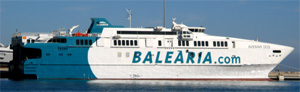
Dénia is particularly useful for travellers already staying on the Costa Blanca. Baleària lists routes linking it with Ibiza, Mallorca and Formentera; verify which departures run on your travel dates. Read our Dénia guide for the town and its port area. Valencia can be a practical starting point if your itinerary combines the city with an island stay. Barcelona offers further options and has excellent rail and air links for visitors arriving from elsewhere in Europe. These mainland cities are not simply three departure gates for an identical service. The mix of night crossings, fast craft, vehicle capacity and arrival ports differs. If you have a rental car, check the contract before putting it on a ferry: some suppliers restrict travel between mainland and islands. A foot passenger needs to think about the onward bus or taxi after landing. Consider spending a night in the port city rather than connecting from a delayed flight directly to a fixed ferry departure.
Island hopping in the Balearics
The short crossing between Ibiza and Formentera is a common first island-hopping experience, but route frequency and weather can affect a tight itinerary. Mallorca and Menorca can also be combined by sea, with ports on opposite ends of each island shaping travel time on land. A map makes an itinerary look simpler than it is. A hotel far from the arrival port may require a long transfer or a rental vehicle. Check the last departure back on a day trip before you book an activity. Keep the booking reference and know whether the ticket is valid for a specific sailing or has flexible terms. In summer, reserve popular crossings and vehicle space early. Outside the peak season, fewer departures may make an overnight stay preferable to a hurried return. Boats and ports can differ in accessibility and facilities; ask the operator about assistance or mobility needs before paying.
The Canary Islands
The Canary Islands are far from the Spanish mainland, so mainland-to-island ferries are long journeys. Inter-island ferries, by contrast, can be a convenient way to combine Tenerife, Gran Canaria, La Gomera, La Palma, Fuerteventura and Lanzarote. Fred. Olsen Express and other operators publish routes and timetables that need checking for the actual date. The particular departure and arrival ports matter greatly: a crossing from southern Tenerife to La Gomera creates a different day from one that first requires a drive across Tenerife. Weather and sea conditions can disrupt travel, especially if you have an inflexible onward flight. Do not book a separate flight immediately after a ferry with no buffer. A vehicle can be helpful on some islands, but compare vehicle fares and rental restrictions. Fast ferries reduce time at sea while slower services may offer different facilities. The operator’s live timetable is more useful than a fixed time copied into a guide.
Morocco, Ceuta and Melilla
Ferries connect southern Spain with Morocco and with the Spanish cities of Ceuta and Melilla. The relevant mainland ports can include Algeciras, Tarifa, Málaga and Almería, depending on the destination and current operator network. Some arrivals use Tangier Med, a port well outside central Tangier, while others may serve a city port. That distinction changes the onward journey substantially. International travel requires passport, visa and vehicle paperwork appropriate to your nationality and route; do not infer entry rights from Spain’s domestic rules. Allow extra time for formalities and for the transfer between terminal and town. If taking a car, check the insurer’s territorial cover and the ferry company’s vehicle documentation requirements. A short-looking sea crossing is not necessarily a quick door-to-door trip. For a same-day excursion, study return departures and border processing before committing to an activity on the other side.
Italy and other international routes
Some travellers cross the western Mediterranean between Spain and Italy. The choice of ports and sailings changes, so start with operator route maps rather than assuming a daily connection from your preferred city. An overnight ferry may save a hotel night but costs more if you choose a cabin, and you still need transport to and from both ports. Compare the total journey with train and air alternatives. A car makes the ferry more appealing for some itineraries, but the cost of a vehicle space, fuel and tolls can change the calculation. Passengers without a car should check how far the terminal is from a railway station or historic centre. Border procedures are usually simpler within the Schengen area, but identity documents and carrier requirements still apply. If the voyage is an important part of your trip, plan a comfortable arrival day instead of stacking a nonrefundable tour immediately after disembarkation.
How to compare fares
A headline fare can refer to one foot passenger in a seat on a quiet departure. The final price may rise when you add a car, cabin, premium seat, pet or flexible cancellation. Compare the same date, departure time, arrival port and extras across operators. Return fares are not automatically cheaper than two singles. Vehicle dimensions matter, especially for vans, roof boxes and bike racks; enter them accurately. Check whether luggage is included and whether the operator imposes a limit for hand-carried bags. A cabin may be worthwhile on a long night crossing, while a short daytime hop may need no upgrade. Prices and promotions change with demand, so this guide does not quote a universal fare. The operator’s checkout page, including taxes and fees, is the real comparison. Save the booking terms you accepted, particularly when travelling during a period when weather changes are possible.
Check-in, terminals and boarding
Ferry ports can have several terminals and access roads. Confirm the terminal on the ticket and check the operator’s arrival deadline. Vehicle check-in often requires more time than foot-passenger boarding. Late arrival can mean a missed sailing even while the ship is still visible at the berth. Have identification and booking details accessible, not buried in the boot. If your ferry is overnight, pack a small bag with medication, warm layers and essentials; access to the vehicle deck is generally restricted during the voyage. Security and boarding procedures vary by port and route. Ask the operator about reduced-mobility assistance ahead of time. When arriving by train or bus, include enough margin for a delayed connection. At a busy port, the terminal may be a considerable walk from the city centre. A map pin for the port alone is not always specific enough.
Sea conditions, children and pets
Sea conditions are variable, even on a familiar route. If you are prone to motion sickness, discuss suitable prevention with a pharmacist or clinician before travelling and consider where you sit on board. On an open deck, follow crew instructions and protect yourself from sun and wind. Families should check changing facilities, seating and child fares rather than assuming every vessel offers the same amenities. Keep snacks and water handy, particularly if the sailing is delayed. Pet rules differ by operator, vessel and fare: some allow pets in designated spaces or special cabins, while others have different arrangements. Reserve any required pet place before departure and carry the necessary documents. A boarding plan is especially important if you have several children, a car and lots of luggage. The crew’s safety announcements take precedence over general advice in a travel article.
Building a sensible itinerary
A ferry can link mainland sightseeing with an island holiday or make several islands part of one journey. Give the travel day room to breathe. Spend time in Barcelona or Valencia before sailing, or explore the old town and coast around Dénia. On an island-hopping trip, two nights in each place often feel less rushed than a chain of same-day crossings. Book accommodation with the arrival port in mind. If a departure is early, staying near the terminal the previous night reduces stress. Leave a buffer before a separately booked flight. Think about seasonality: summer offers demand and many services but also crowds; quieter months may have fewer convenient departures. The right itinerary is one whose connections still make sense when the ferry is late, the road to the port is busy or you decide to linger over lunch.
Activities at your destination
Browse tours and tickets in Spain on GetYourGuide. Leave a buffer after arrival and verify the meeting point.
Book ferries in Spain
Compare routes, departure ports and available sailings for the Balearic and Canary Islands. Search and book ferries on Ferryscanner. Check the final fare, vehicle details and operator’s check-in rules before paying.
Related guides
Read about Barcelona, Valencia, Dénia, Alicante and the Spanish coast. If you combine a sailing with a longer trip, our holiday guide helps you anticipate busy dates.
Frequently asked questions
Is flying always faster?
Not for every door-to-door journey. Count travel to the airport or port, check-in, baggage and onward travel. Ferries are often particularly useful with a vehicle.
Can I take a rental car?
Only if the rental terms allow that particular ferry and destination. Ask the supplier before buying a vehicle ticket.
Do ferries operate all year?
Some links are year-round and others vary by season. Check the operator for the precise date and direction.
How early should I arrive?
Follow the deadline on your ticket; vehicle and international routes may require more time than a foot-passenger crossing.
What happens in bad weather?
Operators may delay or cancel a sailing. Follow their official status updates and understand your fare’s change rules.
Before you buy: a final check
Write down the exact origin and destination port, the date, departure time, arrival time, vessel type and check-in deadline. Confirm the number of passengers and whether every child needs a separate ticket. Check the vehicle registration and dimensions if bringing a car. Read the cancellation and amendment rules before paying, particularly if a flight or other connection is booked separately. Save both the confirmation and the operator’s contact details offline in case mobile coverage is poor at the terminal. For international routes, verify identity documents and any visa or insurance requirement from official authorities. For domestic island trips, make sure the arrival port really suits your accommodation. These small checks are more valuable than a quoted crossing time that ignores the rest of the journey.
Finally, keep your plans proportionate. A short inter-island crossing can be a relaxed day trip when services are frequent. A mainland-to-Canaries voyage is part of the trip itself. Book a comfortable seat or cabin for a long crossing if it fits your budget, and give yourself time to enjoy the sea rather than turning every port call into a race.