Long-distance buses connect Spain’s big cities, smaller towns, airports and many coastal destinations. They can be useful when there is no direct train, when a fare is favourable or when you want to travel between regions without driving. This guide covers international journeys to Spain and buses within the country, with practical steps for checking the right terminal, ticket and timetable.
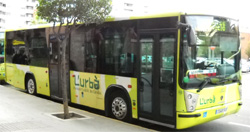
When does a bus make sense?
A bus can be a straightforward choice for an airport transfer, a journey along the coast or a route between towns without a convenient railway. It may also cost less than a train on some dates. The trade-off is time: road congestion and intermediate stops can make a journey longer than the distance suggests.
Before booking, compare the entire trip. A coach may leave from a station close to your hotel, while a faster train requires a long city transfer. Equally, a cheap overnight bus may arrive at an inconvenient hour with no easy way to reach accommodation. Look at arrival time as carefully as departure time.
If you have mobility needs, contact the operator about boarding arrangements and the exact vehicle. An accessible terminal does not guarantee that every coach or stop can meet your requirements.
International buses to Spain
Coaches from other European countries serve major Spanish cities, but operators, routes and frequencies change. Older guides often name a single company as if it ran every route or quote a fare from years ago. Instead, search the current timetable for your departure city and destination, then check the operator’s own conditions.
A journey from central or northern Europe can take many hours. Consider whether you can sleep on a coach, how many breaks are scheduled and whether there is a change at a large hub. A low advertised price may not include the luggage you need. Long legs also make missed connections more consequential, especially on separately purchased tickets.
Spain’s geography matters. Barcelona is much closer to the French border than Madrid or Andalusia. An international coach to a coastal resort can therefore involve a long journey after you cross into Spain. If time is limited, compare a flight and local bus or train.
Buying the right ticket
Check the full name of the departure and arrival stops. Some buses use a central station; others serve an airport or a stop on the outskirts. A search result that says “Madrid” may not finish where you expect. Verify the stop on a map and see how you will reach your accommodation.
Read the fare rules for luggage, seat selection, changes and refunds. Some operators issue tickets tied to an identity document. Save the booking confirmation offline in case mobile coverage is unreliable at a station. If the operator needs a printed ticket, arrange it before departure.
Prices and availability vary with demand, holidays and route. Booking ahead is sensible for a fixed long-distance departure, while some local or regional services allow ordinary day-of-travel ticketing. Do not assume the same process applies to all buses simply because both are called “autobús”.
Major intercity routes
Large cities such as Madrid, Barcelona, Valencia, Seville and Málaga have extensive bus connections. The bus is particularly helpful for journeys not aligned with a high-speed rail route. On popular corridors, compare train fares too; an apparently expensive railway may have a suitable advance fare or save enough time to justify the difference.
Regional geography creates very different bus markets. Mountain villages, Atlantic coastal towns and inland settlements may depend heavily on a local operator. There may be only a few departures on a Sunday. Find the exact operator for your route and check the calendar for your travel date.
Our overview of public transport in Spain explains how city networks and regional journeys fit together. A long-distance ticket usually does not automatically cover your local metro or bus connection.
Buses on the Costa Blanca
The Costa Blanca contains large cities, smaller resorts and towns spread along a long coast. A single bus route does not link every beach conveniently. For some journeys the El Campello and Villajoyosa corridor is better served by the coastal tram, while buses can be useful for destinations outside the rail network.
From Alicante, check whether your service departs from the main bus station or the airport. If you are going to Torrevieja, do not assume the tram extends there. Confirm the bus’s actual arrival point and onward local connection.
In resort areas, seasonal traffic can affect journey times. Leave a generous buffer before a flight or a timed attraction. A route that runs often on a weekday may be less convenient on a holiday.
Airport buses
Airport coaches can be the simplest transfer to a city or resort. Check whether the service runs direct, which stops it makes and where tickets are sold. A late flight needs special attention: the last departure might be earlier than the scheduled landing time, and baggage collection takes time.
For a group, compare the combined bus fare with a licensed taxi or private transfer, especially if the accommodation lies far from the terminal stop. An inexpensive bus can still involve a difficult last mile with luggage.
Different airport terminals may have different stops or departure levels. Follow current airport signage and use the operator’s map. A booking confirmation that merely names the airport is not always enough to find the coach.
Night buses and overnight journeys
An overnight coach can save a hotel night, but only if you can rest on it and have a plan for early arrival. Check where luggage is stored and whether the bus makes long intermediate stops. Carry water, a light layer and anything essential in a small bag accessible from your seat.
A night arrival at a suburban terminal may add a taxi cost. A very early morning arrival can also leave hours before accommodation check-in. Ask the hotel whether luggage storage or early access is possible before relying on an overnight journey to save money.
Travelling at night makes a connection more fragile. If the bus runs late, a separately booked onward service may not wait. Avoid tight changes and save both tickets in a form you can show offline.
Stay near the right stop
For a late arrival or early departure, check the walk from the exact bus terminal to your accommodation, not only the distance to the city centre.
What to expect at a Spanish bus station
Large stations have numbered bays and departure boards. Platforms can be assigned close to departure, so arrive with time to find the correct operator and bay. In smaller towns, the stop may be a simple roadside shelter rather than a staffed terminal.
Look carefully at the destination shown on the bus: your stop may be an intermediate point. Ask the driver if unsure and keep your ticket accessible. Place a tag on checked luggage and note the vehicle or route if you have to retrieve it from a compartment.
Facilities differ widely. A main terminal may have toilets and food outlets; a local stop may have neither. For a long journey, buy water before boarding and confirm the planned stops instead of assuming you can buy food on the coach.
Bus versus train
Spain has high-speed rail on many major routes, but it does not cover every destination. A train can be faster between large cities; a bus can be more direct to a smaller town or resort. Compare departure and arrival points rather than looking only at scheduled time.
Some train tickets include a connection to local commuter rail under specific conditions, while a separate bus ticket generally does not. Read the actual fare terms. The official Renfe site provides railway information for comparison.
For trips with children or mobility limits, consider station access, waiting areas, toilets and the length of the journey. The lowest fare is not the only factor in a comfortable travel day.
Bus versus car
A coach removes the burden of driving and parking, which is valuable in large cities. A rental car gives more freedom for remote beaches, villages or several stops in one day. If you only want one well-served destination, public transport may be simpler.
Calculate the whole cost of a car: fuel, parking, tolls and rental conditions. Our guide to travelling in Spain by car covers the issues to consider. For a mixed itinerary, you can use buses between cities and rent a car only for a rural section.
Regional and city buses
Do not confuse an intercity coach with a local city bus. They may use different ticket systems and stops. Within a city, a metro, tram or commuter train may be the easier connection to a major sight, while a regional bus serves outlying towns.
Many routes have reduced Sunday or holiday service. Check the calendar setting on a journey planner rather than reading the weekday departures and assuming they apply to your trip. Summer timetables may also differ from those used during the school year.
When you cannot find a route, look for the Spanish name of the municipality as well as the English or Valencian version. A terminal may list the end of the line rather than your intermediate destination.
Make the most of a stopover
For a city with several hours between buses, a short guided walk can be worthwhile if you have secure luggage storage and sufficient margin.
Accessibility, children and luggage
Ask the operator directly about wheelchair spaces, boarding assistance, child seats or pram storage. Requirements vary by type of bus and route. Give yourself enough time to reach the correct bay and explain any assistance already arranged.
Check the number, dimensions and weight of luggage items allowed. Sports equipment and oversized bags may need separate permission. Keep medication, documents and valuables with you rather than in a compartment you cannot access during the journey.
For families, a daytime service may be easier than an overnight bus even at a higher price. Choose a departure that fits meals and rest, and check the length of planned breaks.
A simple booking checklist
First, confirm the exact destination and stop. Next, check the date and day of the week, including holiday service. Compare the bus with a train or flight on total journey time. Read luggage and cancellation terms, then save the ticket offline. Finally, work out how to get from the arrival station to your accommodation.
On travel day, check the operator’s updates for disruption. Give a connection plenty of time, especially when it is on a separate ticket. A flexible plan is more valuable than a journey that works only if every bus arrives to the minute.
If a journey involves a ferry or flight, add a substantial buffer and consider a refundable onward booking. A road delay can occur for reasons outside the operator’s control. Photograph the timetable at an unstaffed stop if you have no mobile connection, but verify that it applies to your travel day. These small checks are especially useful outside the main cities.
Frequently asked questions
Can I travel to Spain by bus from another European country?
Yes, on routes that currently operate. Check direct services, transfers and the very long total journey time before booking.
Are buses useful within Spain?
Yes. They reach many smaller destinations and can complement rail services between larger cities.
Should I buy tickets in advance?
For a fixed long-distance journey, advance purchase is sensible. Local and regional routes may have different ticketing arrangements.
Where can I find current timetables?
Use the relevant bus operator’s own website and check the exact travel date. An older guide cannot reliably give current prices or departure times.